We are delighted that the readers of Lux Life Magazine have awarded us the prize of:
Best Boutique Artisan Perfume Brand – UK
You can read the full press release here.
You can view all of our Niche Perfumes here:


Everything in connection with social media posts by Pairfum
We are delighted that the readers of Lux Life Magazine have awarded us the prize of:
You can read the full press release here.
You can view all of our Niche Perfumes here:
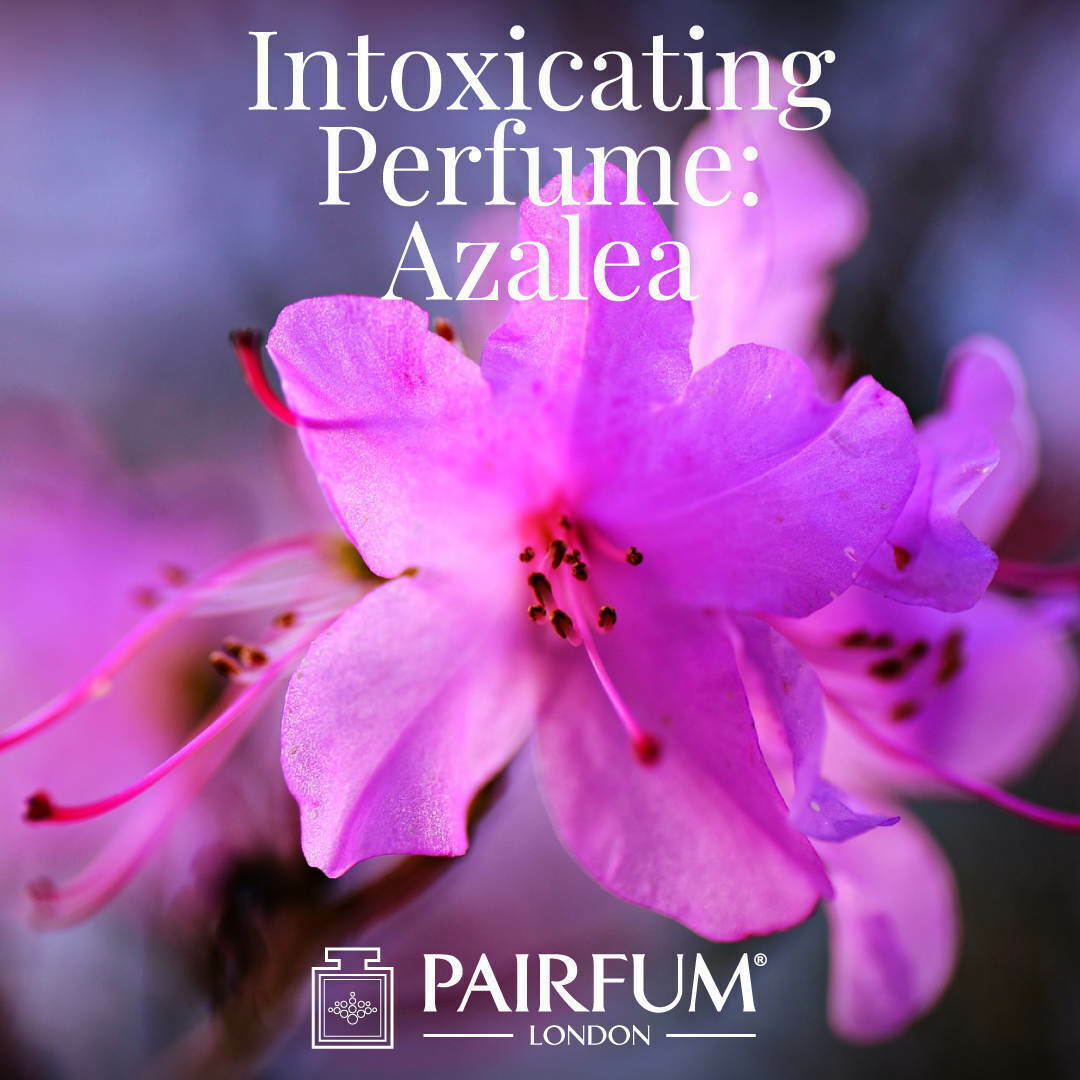
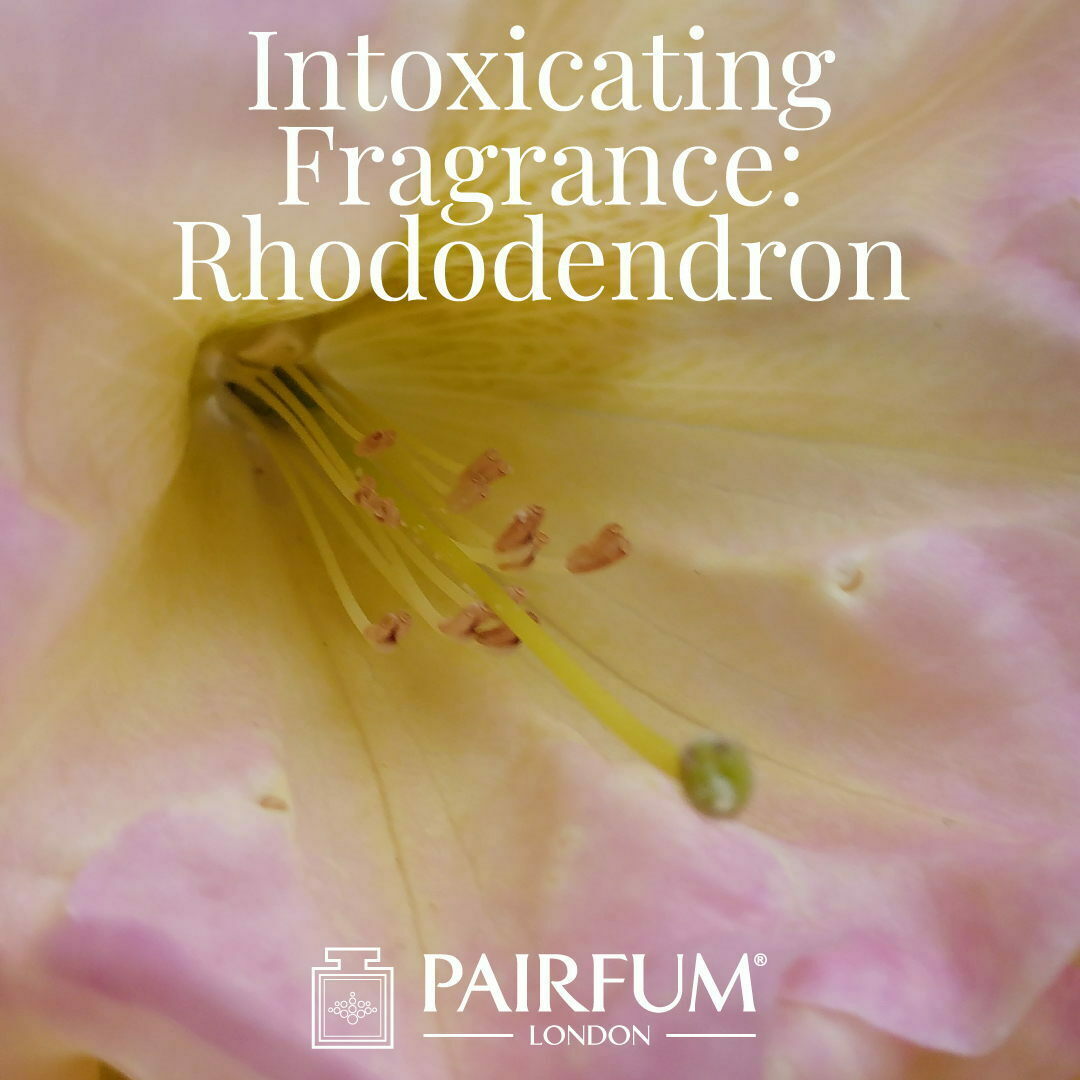
Have you ever gone for a walk and come to the realisation that you are walking while under the influence?
That is what we experienced yesterday while walking in Great Windsor Park through the beautiful blooms of Azalea and Rhododendron.
Just before you start tutting or shaking your head in disbelief
I can assure you that everyone who was walking, running, cycling, skating, or being pushed or pulled in some form of a wheeled chariot …. was doing it while under the influence..
It is also not a cause for alarm, nor was it a case of what is described as “Rimé et al” a social sharing of emotions.
Although thinking about it in another sense, it was a sharing of emotions
People had, whether they were aware of it or not while passing through certain sections of the park, become totally intoxicated with the perfumes emanating from the flowering shrub’s, the Azaleas and Rhododendron (the ‘Rose Tree’), the Chestnut trees, Lilac’s, Mock Orange, Honeysuckle, Cut Grass, Forget-me-nots and the last of the Bluebells…
We were all experiencing a walk through one of ‘Nature’s Natural Perfumeries’.

The only sounds that you could pick up wafting on the fragrant air was the sound of birdsong, the buzzing of Bees, lake water lapping or the occasional child’s laugh.
It was one of those magical Spring days, when Life and nature is intoxicating..
PAIRFUM London’s suggestion is that, wherever you live, in a Town, the Country, by the Sea, …
Put on your shoes, go somewhere and walk (or run) while under the Influence …
If you do stumble across an azalea shrub whilst in spring bloom, you will forever struggle to find anything as beautiful. What makes azalea shrubs so special is that they are like honey as you will always find one that will work for you as there are so many colours to choose from. Furthermore, you can add these colours to your own environment because azaleas can fortunately be easily grown in nearly any garden.

However, as simple as it may be, if you do choose to add some azalea shrubs to your landscape, there are some things that need to be taken in to consideration to maximise their flowers and fragrance.

It is crucial that you choose to care for your azaleas professionally and you find a suitable location to plant them to be sure your azaleas keep looking healthy.
If you are fortunate to have a large garden or even a wooded areas then planting lots of azalea shrubs would work well. But in most cases, to show off your azaleas’ true beauty, they are best planted alone.
Azalea shrubs are completely encompassed by flowers, therefore they can look phenomenal against a back drop of pines or other conifers. It will reduce the heavy impact of azaleas while still showing off their vibrant colours.
Unfortunately, when it comes to sunlight azaleas have particular requirements. Too much shade will deprive them of oxygen which will lead to a poor blooming.

Azalea plants need an acidic soil that is well-drained as their roots are quite shallow. If your soil isn’t well-drained, we recommend you place your azaleas in raised beds or even containers.
It would also be ideal to amend the soil with compost before planting the azaleas. If you happen to know if your soil has low levels of nitrogen then you may want look at using fertilizer to stop any nutritional deficiency.
To check if azaleas are nutritionally deficient if you be looking for an early leaf drop, and stunted growth of leaves and the azalea shrub.

Whether you want to encourage a bushier growth or you wish to keep your azaleas’ compact appearance, you want to wait until after the blooming season is over before you prune them.
Reinvigorate overgrown plants by cutting back & trimming the branches of the azalea shrubs.
You can be sure to have beautiful blooms in abundance for many springs in the years to come if you keep your azaleas healthy during the growing season.


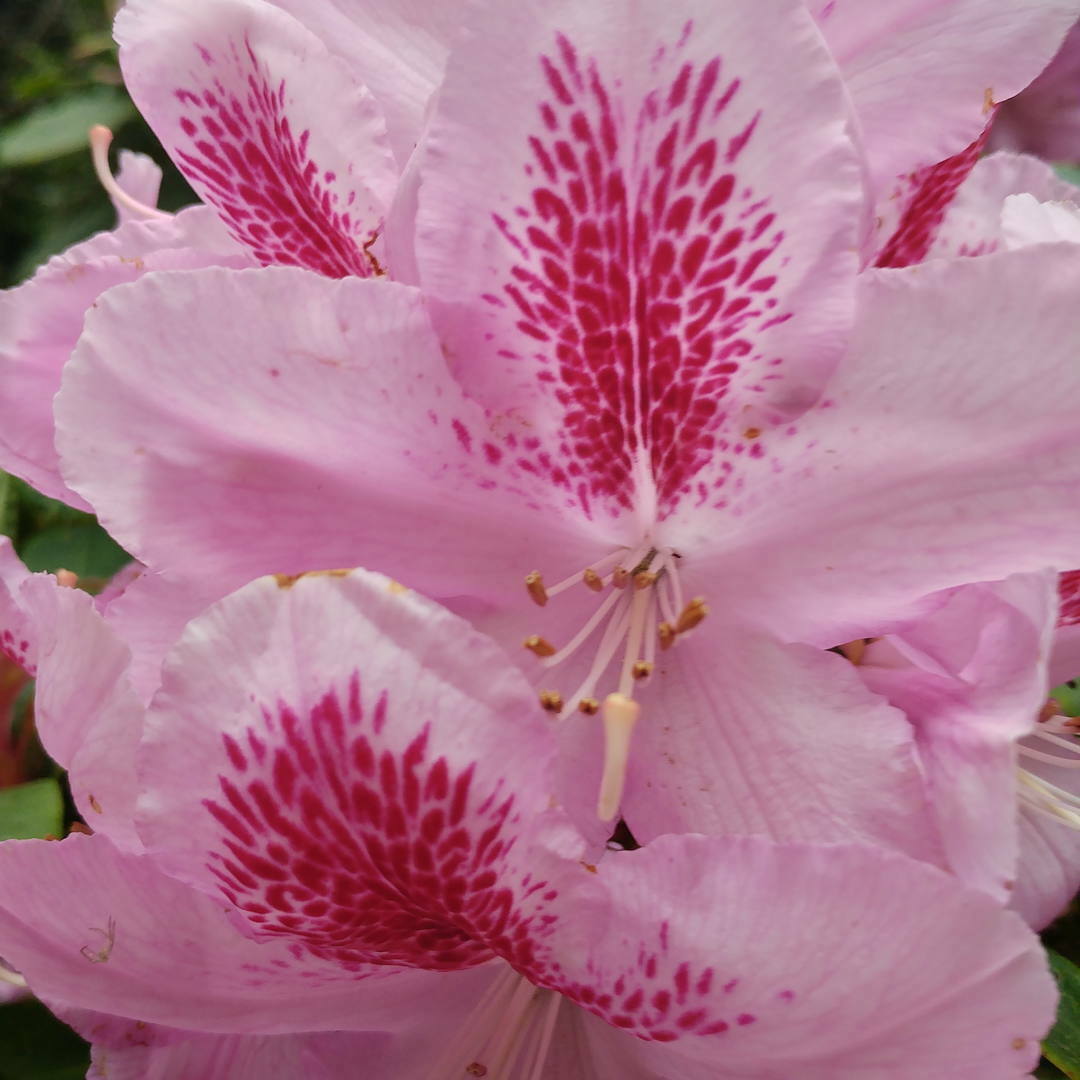


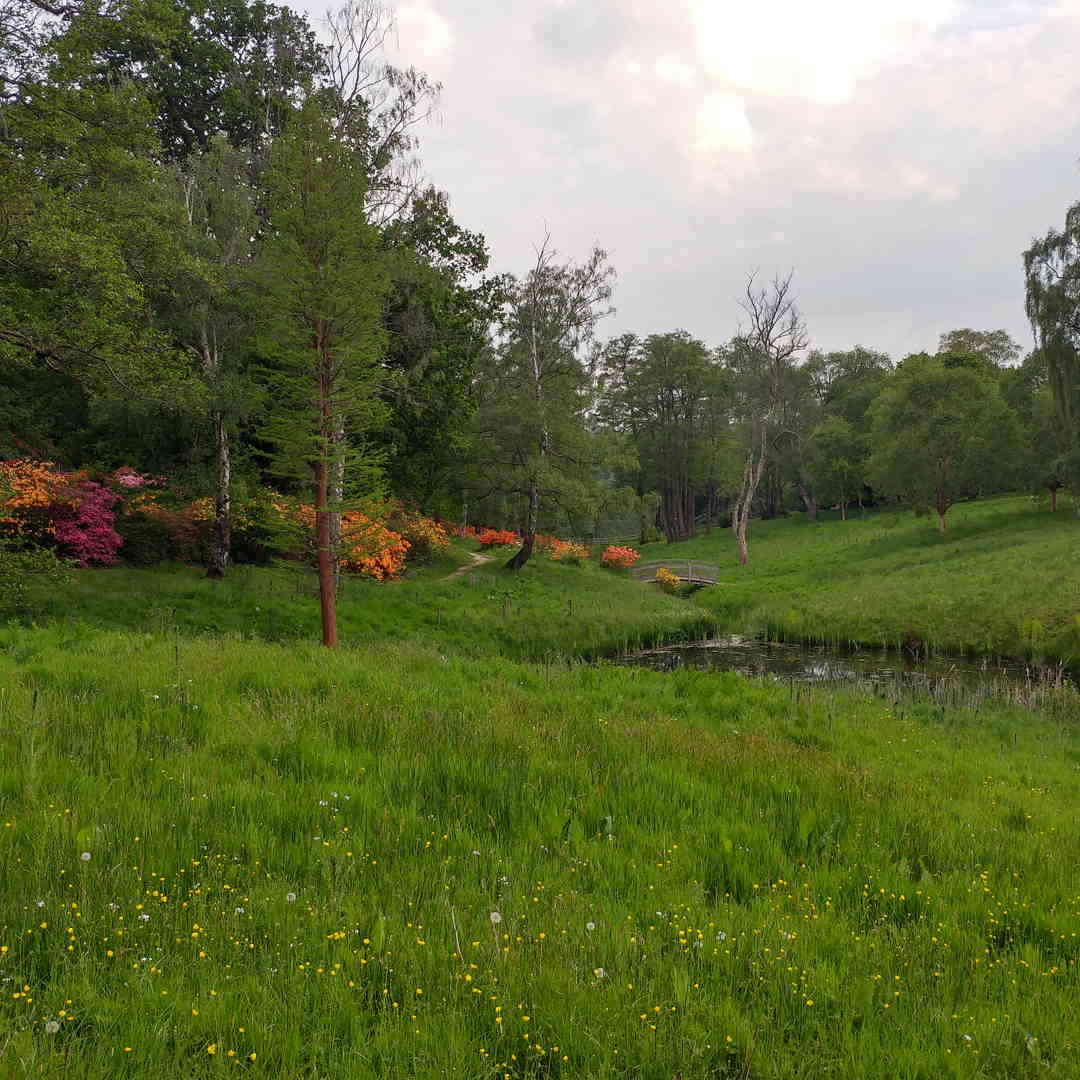


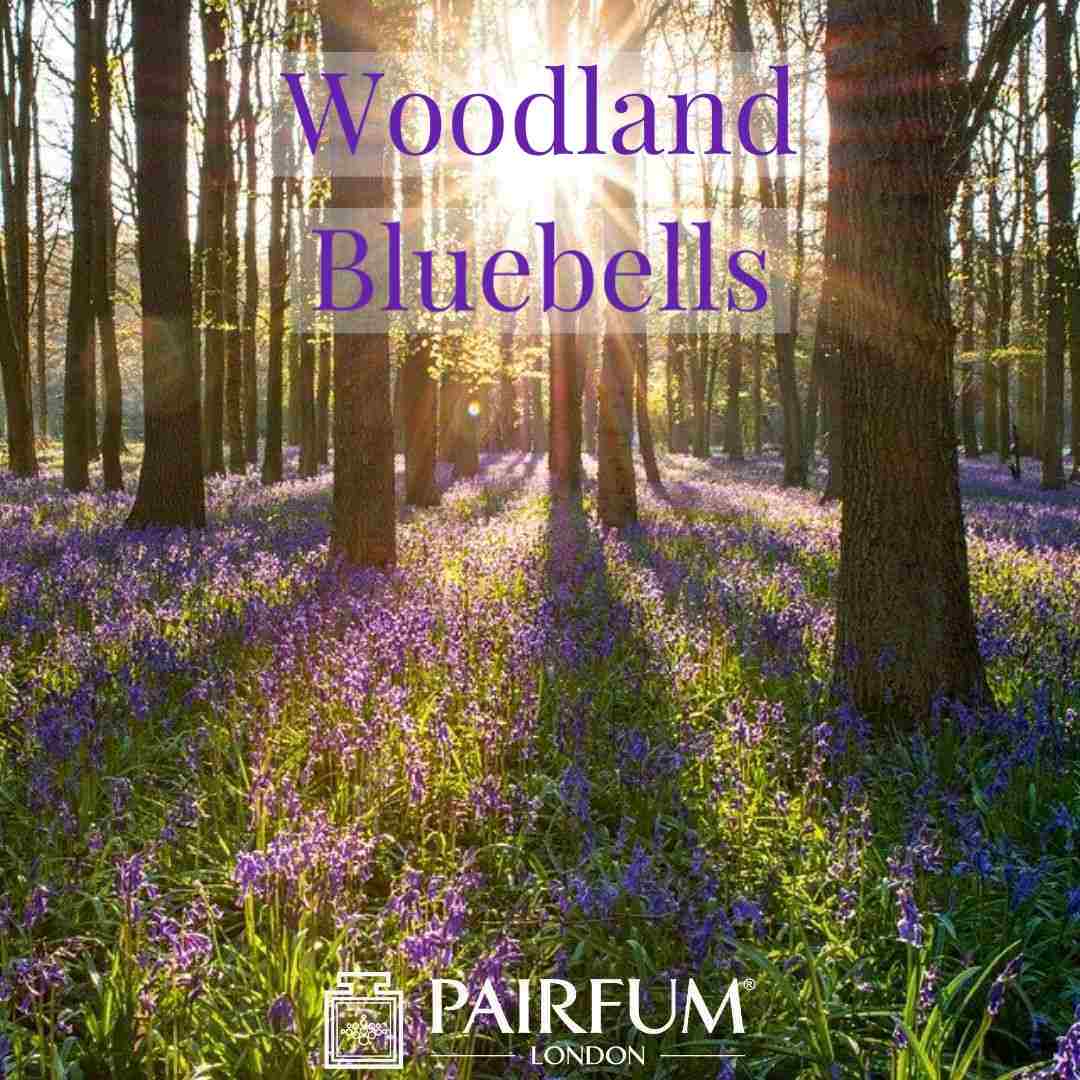

We were truly enchanted when visiting a customer on the border of Hampshire and Wiltshire. They showed us their beautiful ‘Bluebell Wood’, just a small part of their magnificent garden.
The Perfume of the Woodland Bluebell filled the air and was only matched in majesty by the Birdsong.
Watch the video at the bottom of this article and listen carefully to the bird song.
The bluebells which do flower will produce even more perfume than usual this year. The reason for this is that flowers concentrate more energy on breeding during a dry period rather than on producing succulents. They will produce more nectar and therefore more scent in order to attract pollinating insects.

Bluebells are sometimes called ‘Common Bluebells’ but they are anything but common. This spectacular plant is only found in northern Europe, with Britain containing more than half of the world’s population.
The bluebells native to Britain are mostly referred to as ‘English bluebells’ but they are also known as Bell Bottle, Wood Hyacinth, Witches’ Thimbles, Lady’s Nightcap and Wood Bell.
They are a protected species in the UK and a woodland carpeted in masses of bluebells is one of the most magical and one of the greatest woodland spectacles you can see.
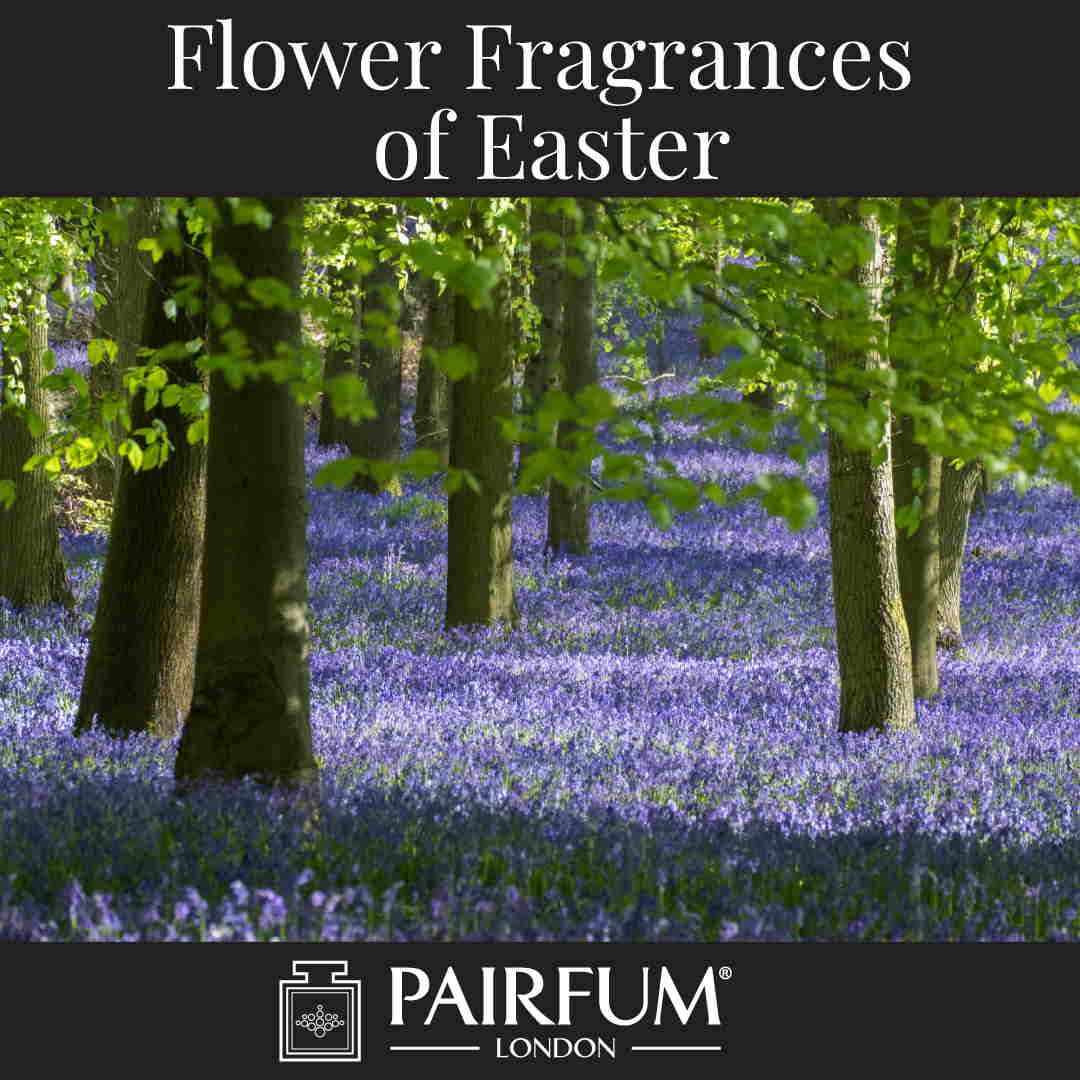
A bluebell wood in full bloom is a true delight for all your senses.
As you wander through a bluebell wood with dappled sunlight kissing the flowers and their scent wafting through the air, it is nature at its best. This is a quintessential British sight during the spring months. It lets us know that the days are getting longer, warmer and that Summer is on its way.

When Bluebells transform our woodland in springtime, the carpet of intense blue under the tree canopy stretching out into the distance is a scene full of delicate fragile flowers. A beautiful sight that once seen will remain with you for ever. It will come as no surprise that the British bluebell is one of the nation’s best-loved flowers.
We are very fortunate in the UK because bluebells are relatively rare throughout the rest of the world and in fact the UK is home to over half of the bluebell colonies in the world. Therefore, it is very important that bluebells are well looked after.
English bluebells are so precious in fact that footfall damage can be devastating to a bluebell population. If a bluebell’s leaves are damaged or destroyed, they will be unable to photosynthesise which will unfortunately cause them to perish.
Their vulnerability is exacerbated by the fact it can take up to seven years for a colony of bluebells to become established and so any harm inflicted on a bluebell colony will have implications for many years to come.
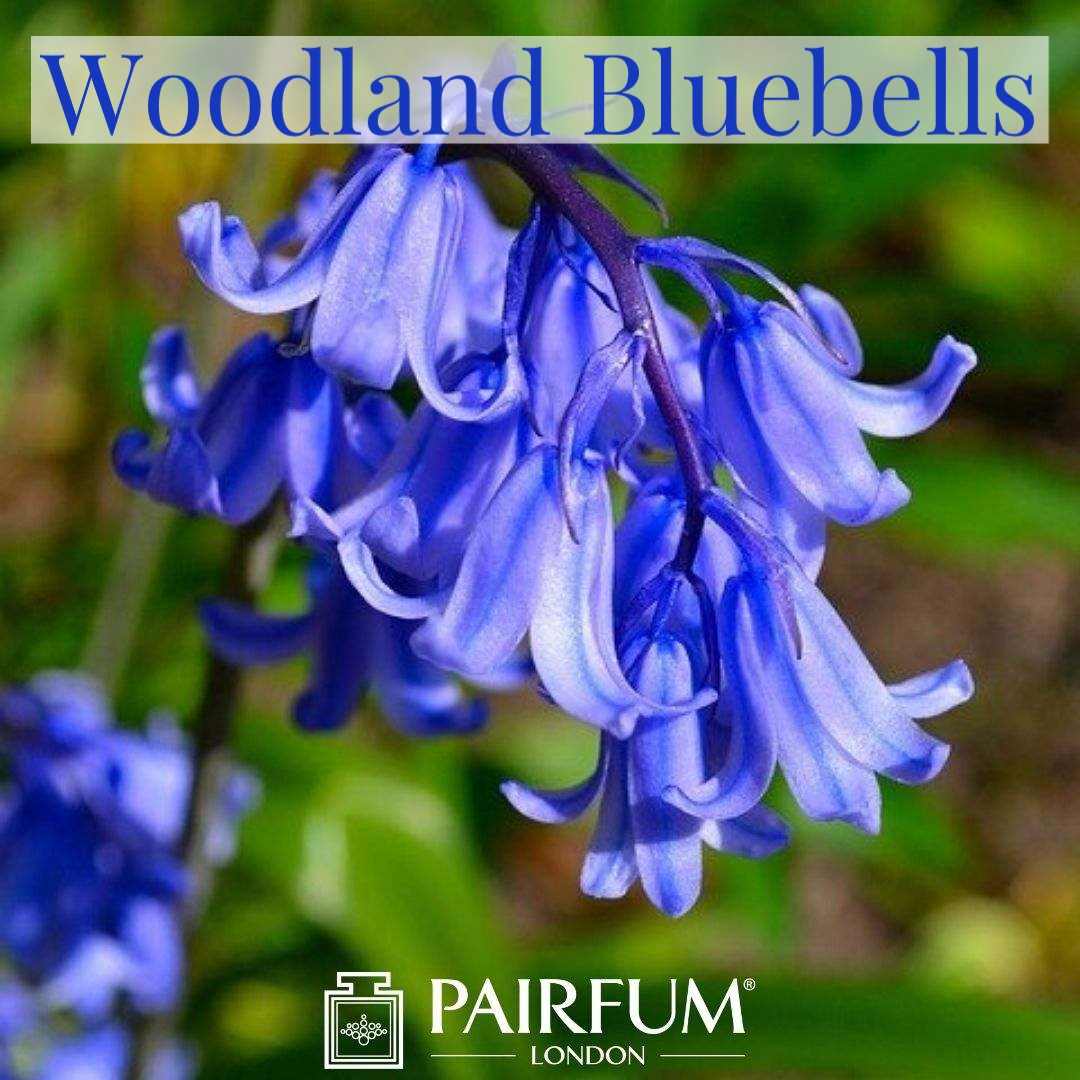
We also need to take care in which species of bluebells we plant. It is important that we avoid planting Spanish bluebells, especially next to our much more delicate native English bluebells. This is because Spanish bluebells can be much more vigorous and dominate native English bluebells.
To ensure their survival, the UK government actually passed a law making the deliberate act of either destroying, uprooting, or picking bluebells a criminal offence.
(if you are interested in the differences between native English bluebells and Spanish bluebells, there is a small section at the bottom of this article where the characteristics of them both are discussed as well as their hybrids.)

Of course, such laws are not put in place to prevent anyone put from appreciating the beautiful woodland bluebell.
The National Trust actually encourages photography of bluebells and we would like to share some top tips when taking photographs of bluebells.

The first tip would be to try to take your photographs just after midday from mid-April to mid-May. The approaching angle of sunlight at these specific times creates a greater proportion of blue wavelengths which enhances the iconic colour of bluebells. However, in the images throughout this article where the bluebells are against sun-dappled woodland floors the contrast had to be manipulated as the sunlight can create problems with the contrast.
The second tip would be to consider the angle of your images. We would recommend taking some images at the same level of the flower heads closer to the ground. For these types of images, you may want to use a camera, but a phone also works very well.

The third tip is more focused at photography enthusiasts. We recommend that should your camera allow it, always shoot in RAW mode. This is because the human eye absorbs colour differently to a camera lenses and you want to try and reflect being there in-person as much as possible. It is likely that if your camera enables to take RAW images, it will include the required software to post-process your images.
Now that we have discussed how to capture the visual beauty of a bluebell wood, how do we also harness the bluebell’s iconic scent?
How can we describe the fragrance of the Bluebells?
The olfactive profile of the Bluebell is reminiscent of the Hyacinth. It is not a very strong fragrance but it becomes very noticeable when walking through a Bluebell wood.

We describe it a green-floral, as it is oily-green and quite intoxicating. Bluebells are not part of the ‘white flowers’ category (Jasmin, Orange Blossom, Tuberose, Ylang, Gardenia,…), not because of their colour but because they have a richness, headiness and depth that is more reminiscent ‘red flowers’ category (Rose, Violet, Lilac, Sweet Pea,…). Some perfumers believe there should be a ‘green floral’ category for flowers such as Lily of the Valley, Narcissus and Hyacinth. This is where we believe the most natural home for the Bluebell is.
In fragrance accords, Bluebell is not typically a dominant scent profile in a fragrance accord, even though many famous perfumes have been created in honour of this beautiful note:
For Home Fragrances, we can highly recommend Pairfum London’s White Lavender which contains the beautifully green notes of Bluebell and Hyacinth. It is available in perfumed candles, reed diffusers and perfume room sprays in our online boutique.


How can you tell or spot the difference between a Native Bluebell and a Spanish Bluebell?
One of the ways that you can tell the difference between the Native and Spanish flower, is that in the Native Bluebell the pollen is white, whereas in Spanish Bluebells, the pollen is blue. In the hybrid Bluebell, a variety of characteristics are exhibited which are intermediate in form and a colour between both ‘Native Bluebell’ and ‘Spanish Bluebell’. In other words the hybrid Bluebell exhibits characteristics of both parent plants.
Their wonderful scent is said to have 35 components which attracts pollinating insects deep into the bluebell woods.
Some might say, they also attract passing walkers to sit down, take a welcome rest and enjoy nature in all its beauty …


After a cold winter, barren of colour and fragrance, we all embrace the joys of Spring when Easter arrives and brings with it the smells and sights of a new season: the Flower Fragrances of Easter.
It is a time of renewal, a time to refresh and a time to start dreaming of those lazy hazy summer days that uplift our mood.
For many today, Easter is dominated by chocolate eggs and as perfumers our thoughts immediately turn toward fragrances with cocoa. However, Easter is also a time to connect with family, start planning activities and throw off the winter clothes to connect more with the outdoors and nature, which naturally leads into the scents and colours of a new season.
The sights, smells and fragrances of Easter greet us like an old friend.
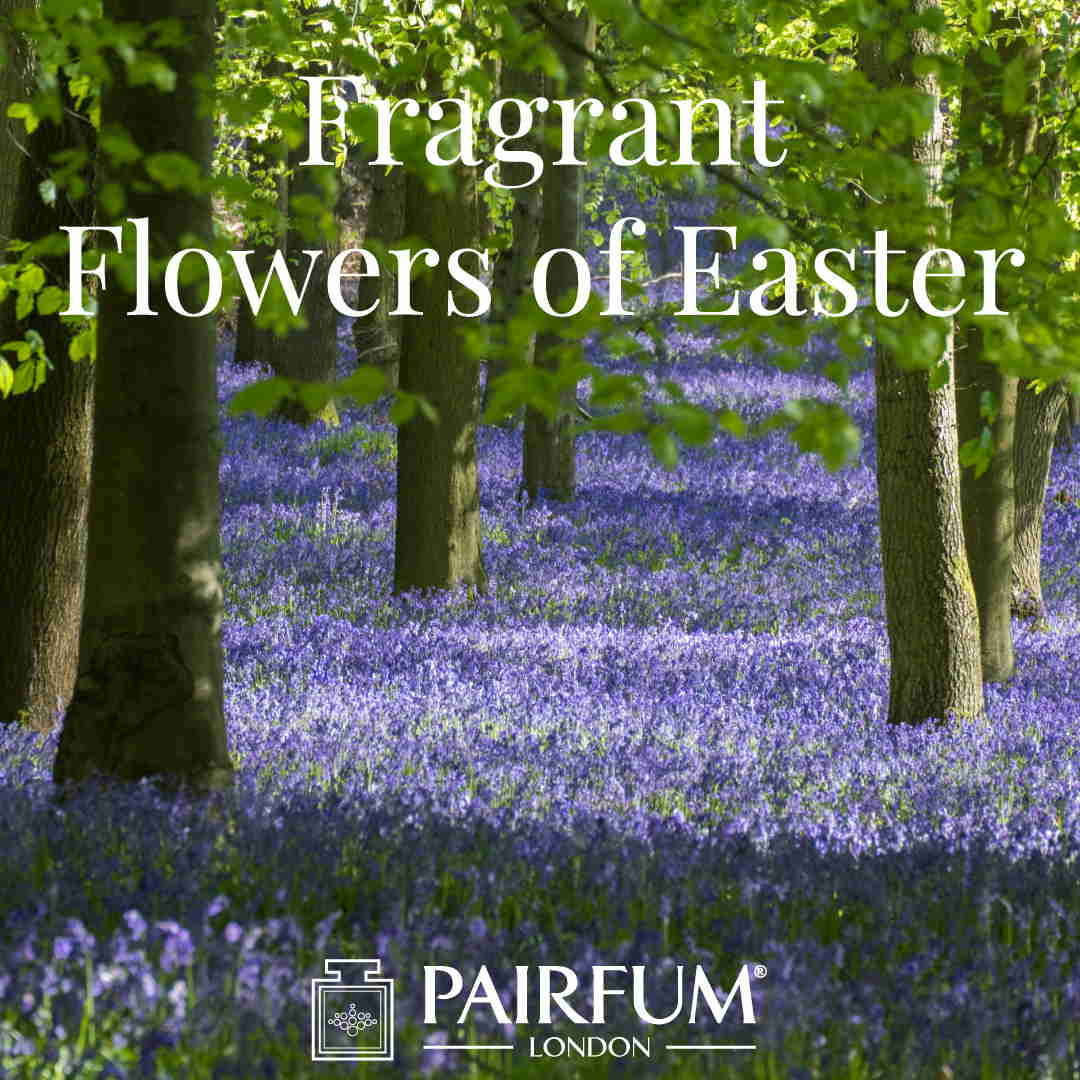
Below we present some of the flower fragrances of Easter that get our senses excited for Spring. We are also sharing with you the wonderful fragrances we at Pairfum London have created to bring Spring in to your home to help you create the perfect Easter & Spring atmosphere.
We hope that the flower fragrances of Easter inspire you for the season ahead.

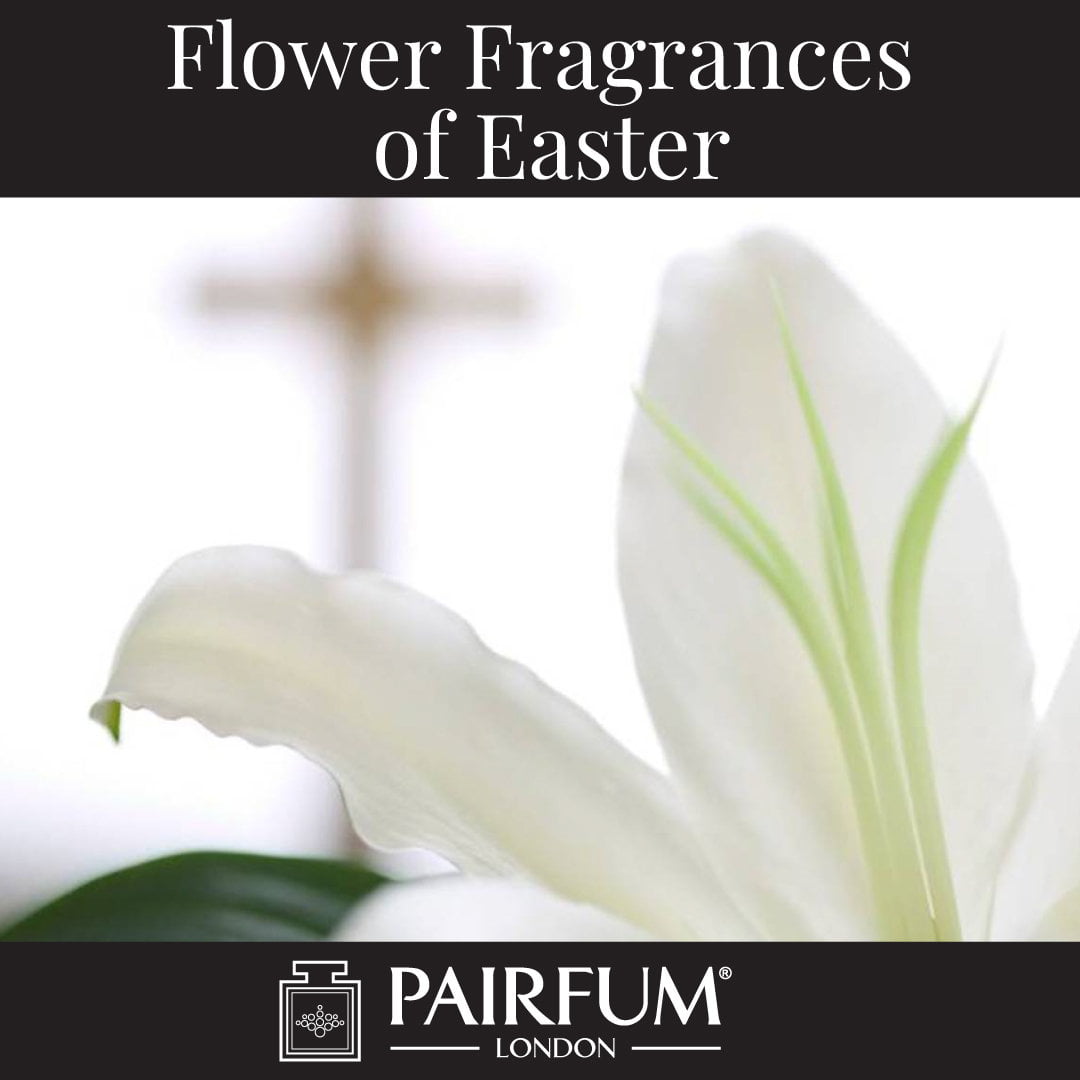
Easter Lilies, whose scientific name is Lilium Longiflorum, are perhaps the best-known type of lily and one that we would all recognise.
Easter lilies are native to Japan. World War I soldier Louis Houghton brought Easter Lily bulbs home to share with fellow gardeners in 1919 and the popularity of the flower has grown quickly.
Lilies have held a significant place in world history because of their aroma, grace and beauty. From ancient Crete to the flower shop down the street, people always regard the lily as “the pure flower.”
There are few rivals when it comes to the stunningly beautiful fragrance of Lilies. The exquisite perfume and wonderful flowers certainly lift spirits as we enter Spring.

Daffodils are considered the first heralds of Spring time. They are also known as Narcissus and Jonquil. Narcissus being the botanical name for this bulbous plant of the amaryllis family, Amaryllidaceae!
The stunning daffodil originates from Southern Europe and North Africa, but some varieties can be found in Asia and China. The flower is linked to the Greek myth of Narcissus who became obsessed with his own reflection, that he knelt to gaze in to a pool of water where he toppled in to the water and drowned. The narcissus plant sprang up where he died.
The fragrance of the daffodil is light, cool, and spring-like in its notes. The scent is often sweet, captivating, and unique to only daffodils. These are fragrances that have been treasured since ancient times and ones that remind us of new life and Spring.

The Crocus name is derived from the Latin crocatus which means saffron yellow. The flower has three stigmas and parts of it are often dried and used in cooking as a seasons or colour agent. It is native to Southern Europe and Asia. There are about 80 species of crocus and was first cultivated in Greece.
Crocuses that bloom early in spring have cheerful heads, reminding us that Spring is around the corner. With so many varieties to choose from you can have an abundant array of colour and fragrance which is sweet and luminous.

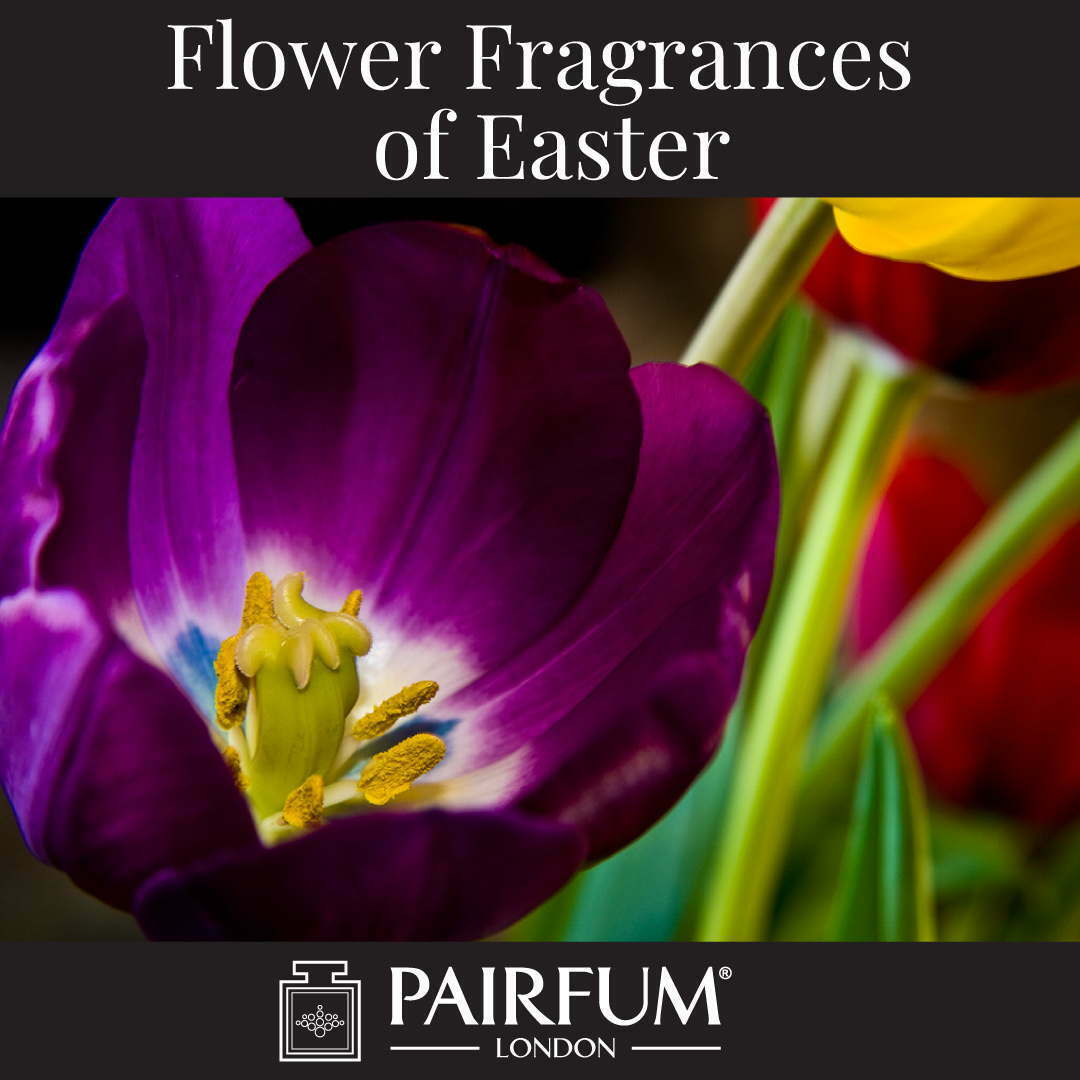
The Tulip was originally cultivated in Turkey and then imported in to Holland in the sixteenth century. They became popular in 1592 through a book by Carolus Clusius. Indeed, they became so popular they created an economic bubble known as Tulip Mania!
The scent of Tulips cannot be mistaken. The fragrance is fresh – fresh like the ozone! It also has hints of floral with a base of warm honey and musk. It is almost like nature was making perfume herself within tulips!

The stunningly beautiful Bluebell is another sign of Spring time with the vast spread of tiny blue flowers dazzling around parks and gardens. This beautiful flower is a protected species in the UK under the Wildlife and Countryside Act 1981.
Also known as wood bells, fairy flowers and wild hyacinth, they have carpeted our woods, and parks for many years. In a 2015 Spring poll by botanical charity Plantlife, bluebells were voted the favourite wild flower of England.
Unfortunately, Blue Bell’s cannot be harvested but we can still enjoy the sweet fragrance when we are out walking. Bluebells are usually at their best during the morning time, making it a fantastic time to visit the woods or parks or when there is some sunshine allowing their scent to waft through the air.
These are just five of the fragrances of Easter which fill our homes, our gardens, and our parks.
If you would like to fill your home with the stunning fragrance of white lilies and daffodils, we at Pairfum London are delighted that our fragrance Trail of White Petals includes these stunning ingredients and is available in our range of Home Fragrances (candles, reed diffusers, room sprays, fabric sprays,…) and Bath & Body Care products (washes, lotions,…).
Choosing the right perfume for your home to herald the arrival of Spring can be difficult.
Take the guess work out by ordering the luxury fragrance of Trail of White Petals in your favourite product from our online boutique.










First, let us say that our hearts go out to all of you, your families and friends who have been affected by virus. To those who are sick, we send our thoughts, prayers and best wishes for a full and speedy recovery.
In view of the uncertainty and upheaval we are facing due to the outbreak of the COVID-19 Coronavirus, we wanted to write to you to inform you of the steps we have taken to ensure that PAIRFUM London is as prepared as possible.
No matter what happens, our first priority will always be Your Safety! You are not just our customers and colleagues but also our friends and partners.
We want you to all be safe & stay healthy!
We are determined to ensure that we will continue to help you live healthier, safer and more comfortable lives by creating and producing natural products, such as:
Pairfum London is both a digital and a physical company. In this respect, the decision to let our team work from home wherever possible will have negligible impact on our operational efficiency. None of us can, however, predict the future and we ask for your understanding in this respect.
For your deliveries, you the following options:

You and the health & well-being of your Family will always come first.
We intend to provide you with the best possible support during this unprecedented time and we will show as much understanding and flexibility as possible for your wishes.
Should there be any impact from our supply chain on our customer’s orders, then we will inform you as soon as possible and keep you updated along the way.
Our dedicated and tireless customer care team means that in these uncertain times, you can talk to a person that listens and who is not a chatbot. We mean it, please don’t hesitate to contact us.
Above all, Be Safe & Compassionate during this time.
Huib & Josephine


Magnificent Magnolias blooming in Great Windsor Park in Spring offer a spectacular sight.
The Valley Gardens, together with The Savill Garden, provide a home to a National Collection of Magnolia trees. Here are some examples:

The magnolia family can count approx 200 species mainly found in two regions:
The Magnolia tree was named after Pierre Magnol, the French botanist behind the current nomenclature of botanical classification.
Magnificent Magnolias are significant flowers in Chinese and Japanese culture, and has been cultivated for centuries.
The ‘Magnolia Virginiana’ species (from Virginia) was the first Magnolia to be introduced into Europe. In 1687, it was sent across John Banister, an English missionary and naturalist, to Henry Compton, English bishop and a passionate gardener.
Shortly afterwards, Europe was introduced to Chinese Magnolias (Magnolia Denudata and Liliflora).
In the middle of the nineteenth century, the beautiful Star Magnolia (Stellata) from Japan was planted in Europe.
The “queen of Magnolias”, the pink Magnolia Campbellii from the Himalaya, was discovered at the beginning of the last century.
It is believed that Magnolia is one of the oldest plants, the Dinosaurs probably saw Magnolias blooming.

Magnolia flowers (Magnolia Grandiflora) frequently have a fragrance. Their perfume is fresh, floral and creamy sweet with hints of waxy citrus.
Magnolia is a popular ingredient in floral perfume accords and there have been notable fragrances where Magnolia is the main floral ingredient.
Here are some of these fragrances that focus on Magnolia and its various olfactive facettes:
When reviewing these notes, you will notice one commonality in that they interpret the freshness of Magnolia in different ways: some use the freshness of white flowers, others incorporate citrus and again others use fruity nuances.
Here at Pairfum London we have built our fragrance “Magnlias in Bloom” around the white flowers of Magnolia, Lily and Geranium with the sweet freshness typical of Magnolia Grandiflora coming from the more modern notes of ozone and watermelon, rather than citrus. “Magnolias in Bloom” is available in our online boutique in many different Home Fragrance products (candles, diffusers, sprays, …).



Wishing All of our Customers, Friends and Partners a Merry Christmas 2019.

Today the last door of the Christmas / Advent Calendar was opened.
Kids will leave you in no doubt:
Christmas Has Arrived!
Is everybody familiar with the Christmas or Advent Calendar?
No, then read on to find out more.

The Advent Calendar is a Germany tradition, first used by the Lutherans / Protestants in the 19th century.
It is a unique calendar used to count down the days to Christmas, with the last day on the calendar being the 24th of December.
Typically, it has 24 different doors / gates / pockets / etc with each pocket revealing a little gift for the day.
The 24th of December reveals a special present.
The types of presents range from chocolates, little toys to trinkets, there is no limit to the possibilities.
The calendar can be ‘home made’ by the parents or bought readily and full of chocolates.
Kids (and Adults) of all sizes and ages look forward to receiving their Christmas Calendar and with it the first of their
Christmas Gifts.
Merry Christmas from all here at Pairfum London.


This past Sunday was the 3rd of Advent, Gaudete Sunday, also called ‘Rose Sunday’.
“Why Rose Sunday?” you may ask, … read on to find out.
Each Sunday during the Advent highlights one of the 4 virtues of Jesus Christ:
Hope – 1st of Advent
Love – 2nd of Advent
Joy – 3rd of Advent / Gaudette Sunday
Peace – Christmas Eve/Day

Gaudete Sunday is the third Sunday of Advent in the liturgical calendar of the Western Churches, including the Roman Catholic Church, the Anglican Church, Lutheran and other mainline Protestant Churches.
On Gaudete Sunday rose-coloured vestments may be worn instead of violet or deep blue, which are otherwise used for every day in the season of Advent.
Hence, Gaudete Sunday was also known as “Rose Sunday”.
If you would enjoy a ‘Rose’ perfume in your home during this week, we can highly recommend our perfume “Blush Rose & Amber”.
Here is the fragrance description:
“A top note of precious Iris,
leads into a sensuous, intensely feminine floral bouquet of Regal Rose in harmony with Jasmine, Lily of the Valley and Freesia,
supported by a deep and warm fond of Crystal Amber, Musk and Rich Woods.”
Our Snow Crystal Candles in “Blush Rose & Amber” are perfect for the Christmas Season!


Last Sunday was the 2nd of Advent 2019!
The Advent calendar are 4 candles on an evergreen wreath in a circle, symbolising God’s eternity.
The custom of the Advent calendear as a wreath began around the time of the Martin Luther, the protestant reformer.
Each Sunday during the Advent highlights one of the 4 virtuse of Jesus Christ:
Hope – 1st of Advent
Love – 2nd of Advent
Joy – 3rd of Advent
Peace – Christmas Eve/Day
The exact order and wording varies among the Christian Churches but the lighting of an additional candle each week symbolises the coming of Christ.
Here at Pairfum, we have the perfect candle for the 2nd of Advent:
It is the perfect candle, if you would like to convey “Love” or say “Thank You” during the pre-Christmas season.
Which of your friends, family or colleagues would you like to send a Personalised Message?
Use the included piece of chalk to write on the side of the candle.
Make it your very own 2nd of Advent candle.





© 2023 InovAir Ltd