Magnolias are some of the most primitive of our flowering trees, known for their graceful, fragrant flowers they hail from a diverse genus of trees and shrubs.
They have been around for millennia with fossils dating back to the Tertiary period (they were around before our Friends the Bees arrived). They are just as at home in our Gardens and Parks, as they are in their natural forest habitat, and most of them are perfectly happy to adapt to city living.
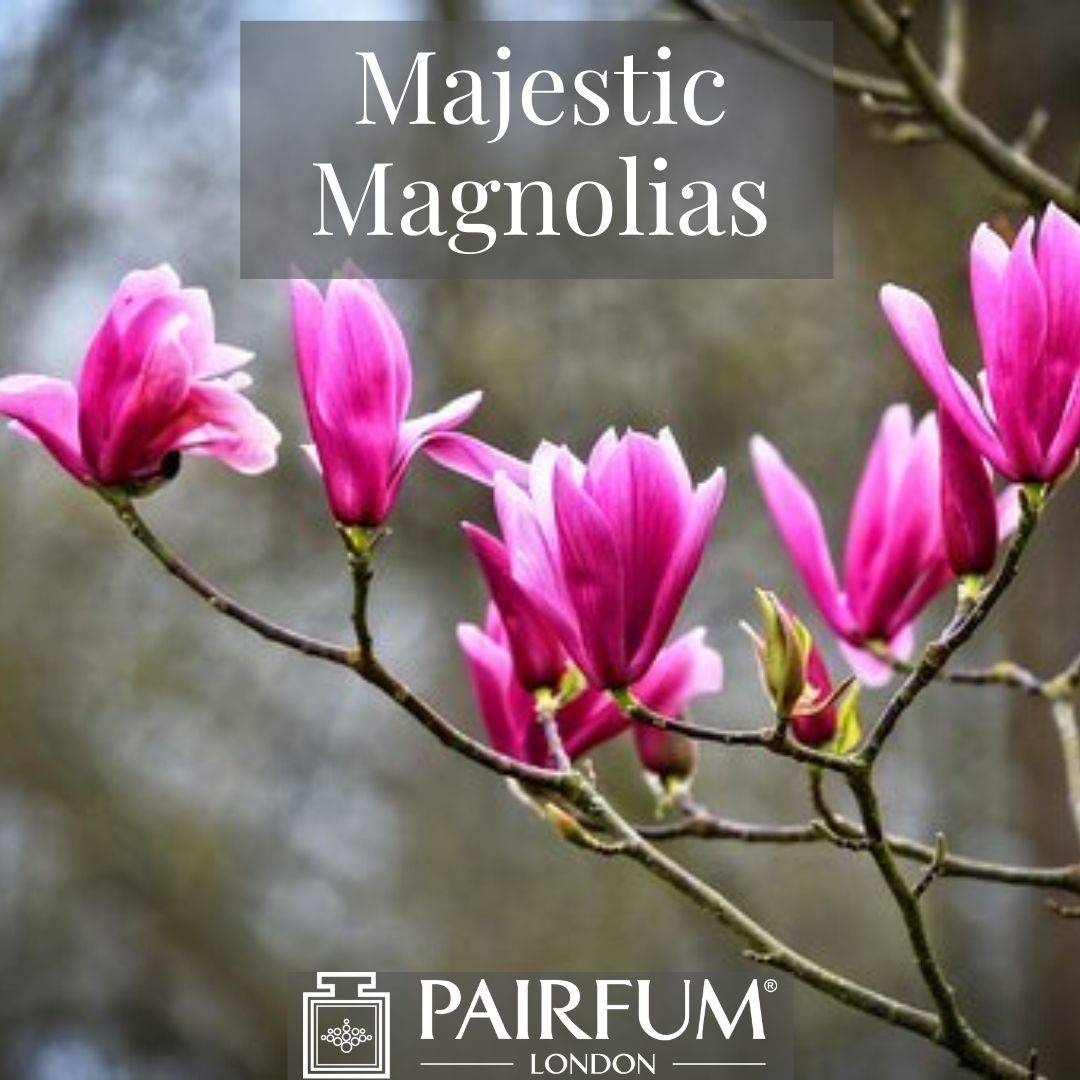
In warmer parts of the country some magnolias have been in bloom since February others bloom in March and appear to usher in the spring, while others are Happy to wait until as late as June to flower. Regardless of when they grace us with their stunning Flowers and fragrance, the Magnolia has become one of the most loved plants Worldwide.
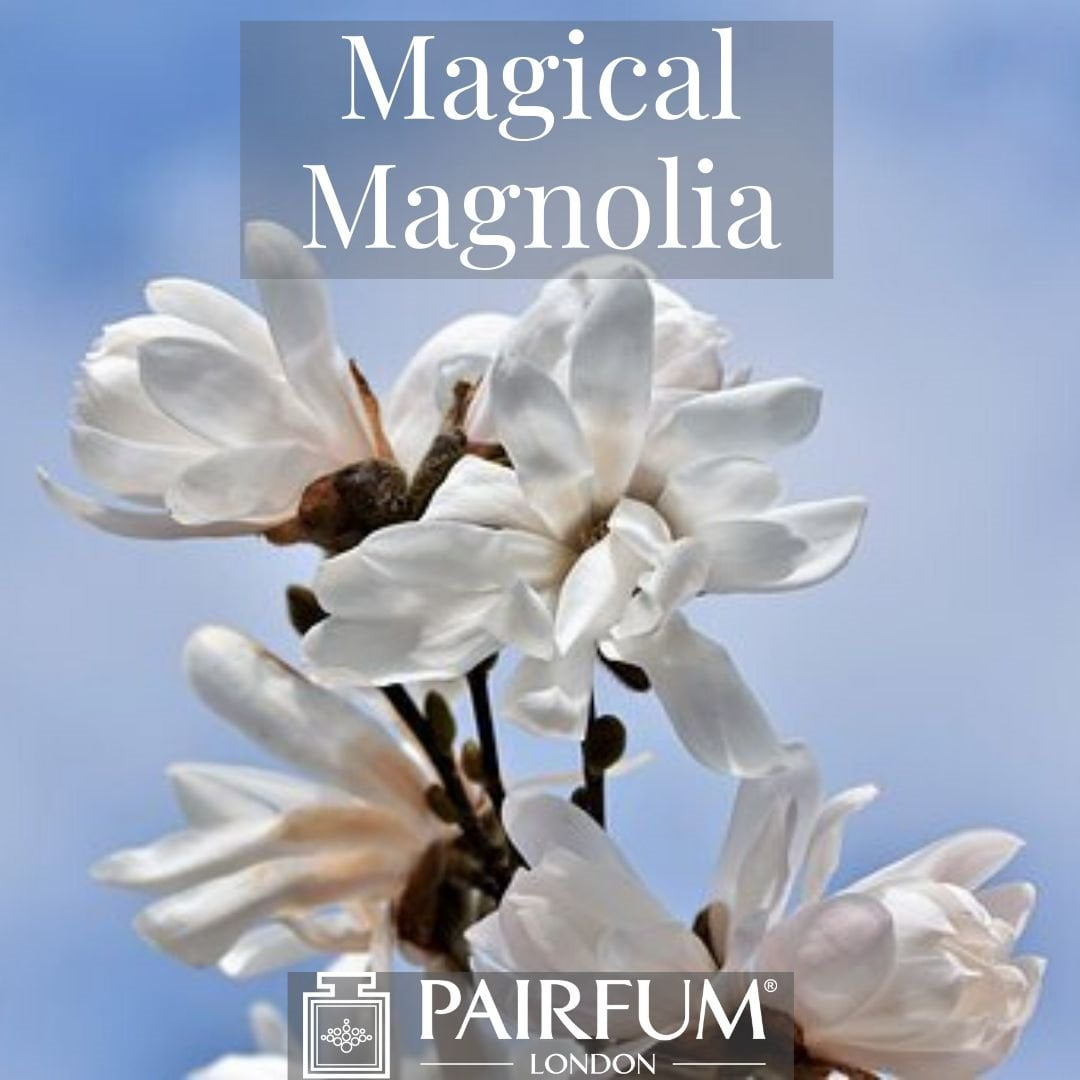
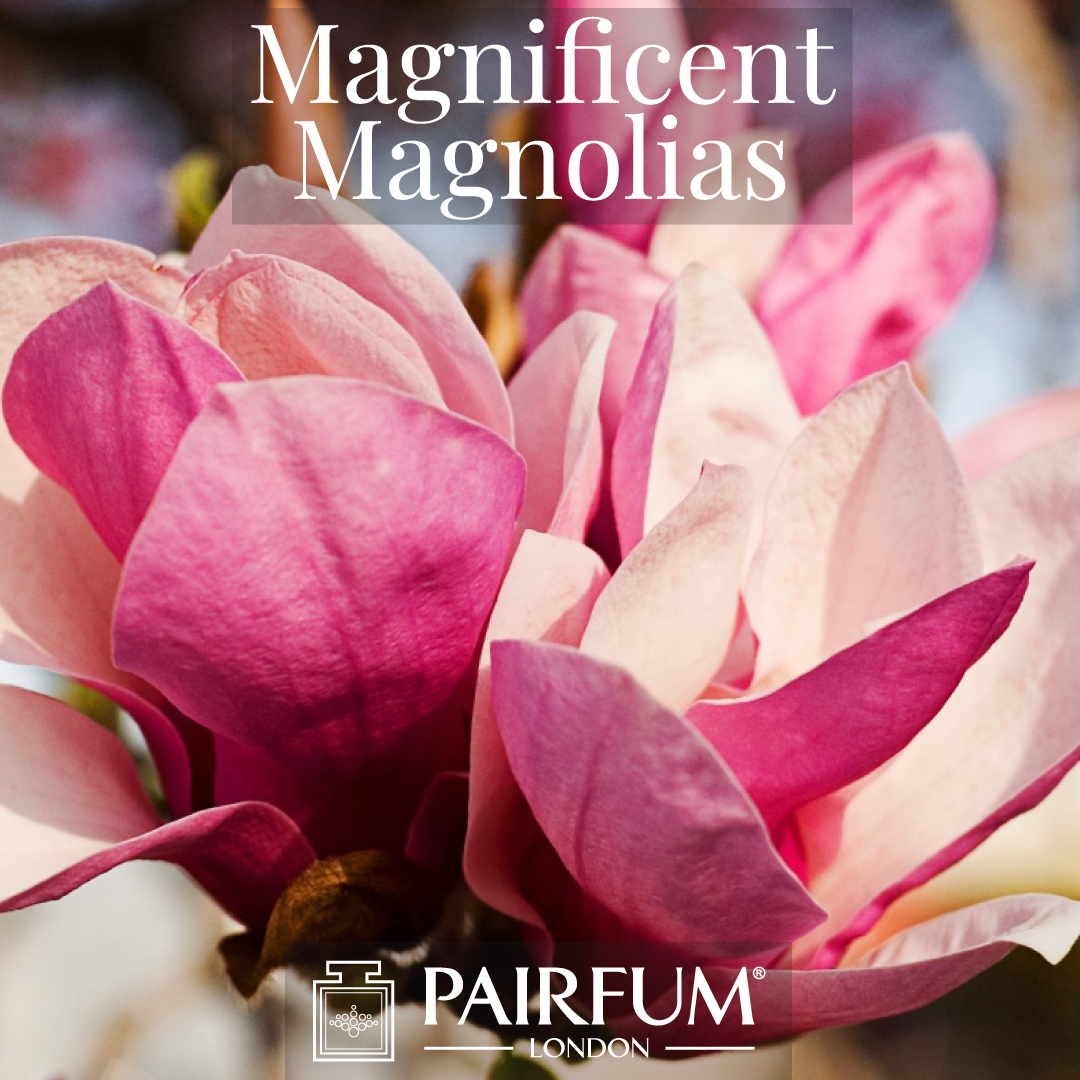
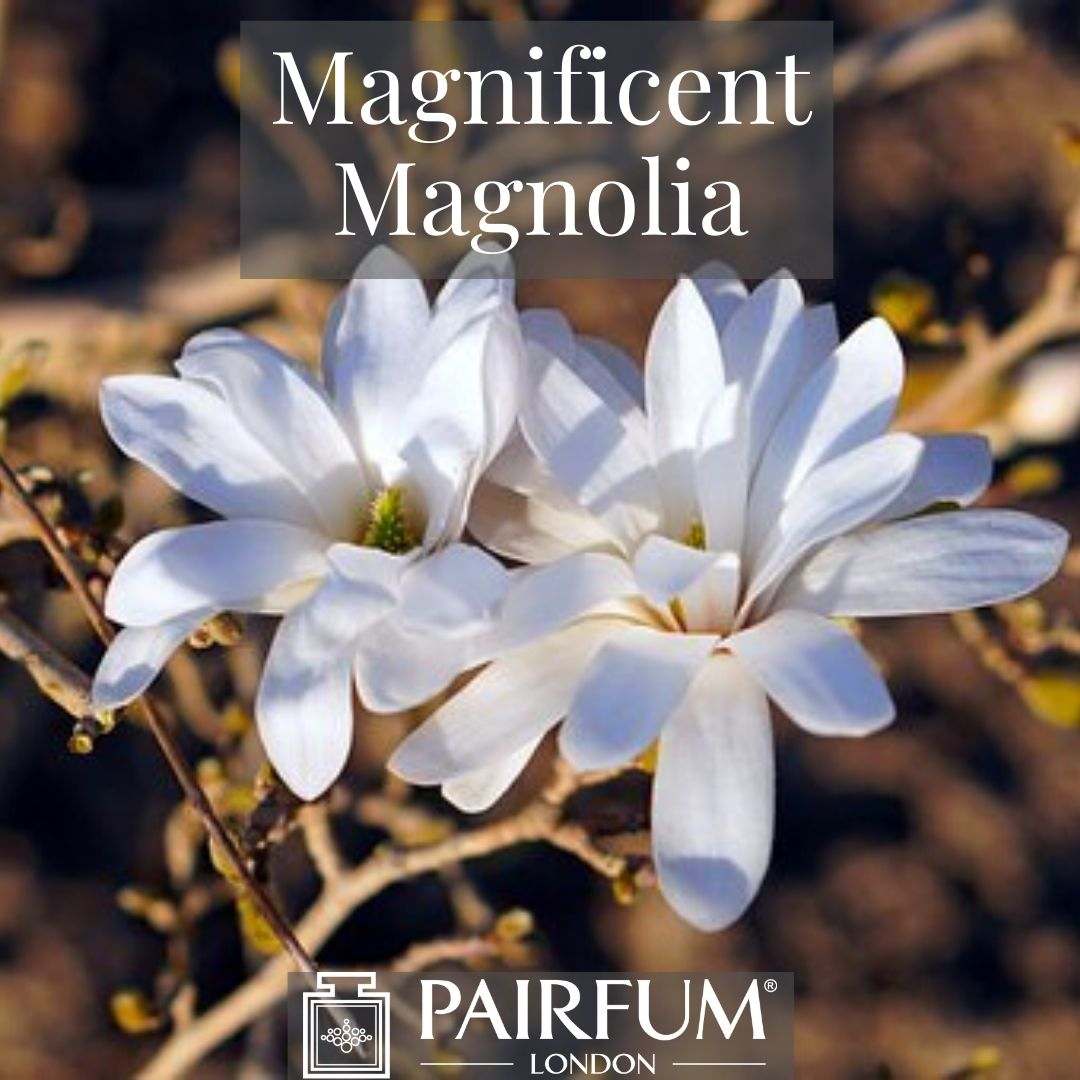
Their colours range from pure white to deepest purple and they fill the spring air with an enchanting scent that makes you want to stop and stay a while.
In 1900, Louisiana declared the Magnolia as its state flower due to its abundance throughout the state, and also in 1900 school children in Mississippi held a state-wide election and voted the Magnolia to be their state flower.
So, … from the Rain Forests of Asia, Central Europe and from the East to the West coast of the USA, these exceptional plants are loved the world over.
Historically there has, however, been some confusion and debate as to what can actually be classed as a ‘Magnolia’.

Description of Magnolia
Typically, Magnolias are characterised as large bowl or star shaped fragrant flowers that spread in shrubs or evergreen and deciduous trees.
They usually bloom in to either yellow, purple, green, pink or white flowers and their leaves usually appear afterwards in spring. In autumn, cone-shaped fruits are also produced.
Just like other Magnoliaceae, the perianth has at least 3 whorls each with 9-15 tepals.
The bisexual flowers have several adnate carpels and on the elongated receptacle, the stamens are arranged in a spiral pattern. Along carpel’s dorsal sutures the fruit dehisces, and the pollen is monocolpate. Magnolias also have a Polygonum type of embryo development.

History of Magnolias
Early History
The first recorded use of the word ‘Magnolia’ was by General Charles Plumier in 1703 to describe a flowering tree found in Martinique. After Plumer, William Sherard, an English botanist who studied under Magnol, was next to use the term ‘Magnolia’.
The first botanical literature since Plumier’s ‘Genera’ included ‘Hortus Elthamensis’ (written by Hohann Jacon Dillenius) and ‘Natural History of Carolina, Florida and the Bahama Islands’ (written by Mark Catesby), both of which Sherard were responsible for.
In these botanical literatures, the term ‘Magnolia’ was also used to describe some types of flowering trees that were found the North America where the climate was more temperate. In fact, a botanist called Lamarck later used the term ‘Annona dodecapetala’ to describe what Plumier first referred to as ‘Magnolia’ which is now recognised as ‘Magnolia dodecapetala’.

Carl Linnaeus, also used the genus name Mangnolia in ‘Systema Naturae’ (the first edition), written in 1735. Whilst there was no description references to Plumier’s work were made. Linnaeus again used Plumier’s ‘Magnolia’ where he describes a monotypic genus in 1753 in ‘Species Plantarum’ (first edtion) with ‘Magnolia virginia being the only species.
If there ever was a herbarium specimen from Plumier’s ‘Magnolia’, Linnaeus never saw it and is likely he assumed it was the same plant that Catesby described in ‘Natural History of Carolina (written in 1730. Linnaeus put it synonymous with ‘Magnolia virginia var’.
Foetida is a type of taxon called ‘Magnolia grandiflora’. Linnaeus described five varieties of ‘Magnolia virginia’ (acuminate, foetida, grisea, glauca and tripetala).
These 5 varieties were reduced to four after Linnaeus combined grisea with glauca in ‘Systema Naturae’ (10th edition, written in 1759) where he also raised the other four varieties to the status of species.

Botanists and plant explorers started to describe ‘Mangnolia’ species from China and Japan by the end of the 18th century whilst exploring Asia. The first species were described by western botanists as ‘Magnolia Lilifllora’ & ‘Magnolia Denudata’ and ‘Magnolia Coco’ & ‘Magnolia Figo’.
Not long after, Carl Peter Thunberg collected and described ‘Magnolia Obovata’ in Japan in 1974 and around the same time ‘Magnolia Kobus’ were collected for the first time.
Recent History
Much later, as there was an increase in the number of species, it was decided that the genus was to be divided in to two subgenera, ‘Yulania’ and ‘Magnolia’.
‘Magnolia’ includes the horticulturally important ‘M. Grandiflora’ found in the USA and in particular the south-eastern states and the species type known as ‘M. Virginiana’.
‘Yulania’ includes many deciduous species from Asia including ‘M. Kobus’ and ‘M. Denudata’ which have their own horticultural importance and are also important as parents in hybrids.
The American deciduous Cucumber Tree (‘M. Acuminata’) is also classified as ‘Yulania’ and is the responsible for many new hybrids having yellow flowers meaning it has been given greater status.

For a long while, taxonomists have been puzzled by the relations throughout the ‘Magnoliaceae’ family.
Since the Magnoliaceae has survived several huge geographical events (including continental drift, the formation of mountains and even ice ages), they have a vast scattered distribution. This has also led to the long-term isolation of some species or even groups of species as well as other species maintaining close contact.
It has proved impossible to solely use morphological characters to create divisions in the ‘Magnoliaceae’ family and even within the genus ‘Magnolia’.

Phylogenetic Era
Research on phylogenetic relationships was able to be conducted on a large scale at the end of the 20th century once DNA sequencing had finally become available. To investigate the relationships between the many species in the Magnoliaceae family, several studies were conducted.
With the support of morphological data, all of the phylogenetic studies concluded that the genus ‘Michelia’ and the Magnolia, subgenus ‘Yulania’, were considerably more related to each other than either one of them was to ‘Magnolia’ or other subgenus of ‘Magnolia’.

Since relationships are usually reflected by nomenclature, it was an undesirable situation to have species names in ‘Michelia’ and ‘Magnolia’, subgenus ‘Yulania’. Taxonomy provided three possible solutions to this problem.
The first was to join ‘Yulania’ and ‘Michelia’ species in a common genus, separate from the ‘Magnolia’ genus where the term ‘Michelia’ would be given the priority.
The second would leave the subgenus ‘Magnolia’ names and the ‘Micheila’ names untouched by raising the subgenus ‘Yulaina’ to generic rank.
The third solution was to create a “big genus” by joining genus ‘Magnolia’ with ‘Michelia into genus ‘Magnolia, sI’. Since it includes ‘M. virginiana’, (the type species of the genus and the of the family), Mangnolia subgenus ‘Magnolia’ cannot be renamed.

Excluding their wood, only a few ‘Michelia’ species’ have any economic or horticultural importance so far.
On the other hand, many species within subgenus ‘Magnolia’ and subgenus ‘Yulania’ very horticulturally important, to the point that many people in the horticultural discipline would consider it to be undesirable to change their name.
Since most of the cultivated species in Europe have at least one of their parents being ‘Mangnolia (Yulania) denudata’, ‘Yulania’ is considered to be synonymous with ‘Magnolia’ on the continent.
The third option to join ‘Michelia’ with ‘Magnolia’ is supported by most taxonomists as they acknowledge the close the close relations between ‘Michelia’ and ‘Yulania’.

The same applies for the ‘Dugandiodendron’ and the (former) genra ‘Taluama’ which were also placed in genus ‘Manglietia’ and subgenus ‘Magnolia’. ‘Manglietia’ could actually be joined with subgenus ‘Magnolia’ but could also be considered for earning the status of an extra subgenus.
‘Elmerrillia’ is more than likely to be handled in the same was a ‘Michelia’ is now because it is closely related to ‘Michelia’ and ‘Yulania’.
The exact nomenclatural status remains uncertain for non-specific or small genera such as ‘Aromadendron’, ‘Alcimandra’, and ‘Parakmeria’. These non-specific or small genera are often merged into ‘Magnolia sI’ by taxonomists who did the same with ‘Mechelia’.
There is a perpetual debate between botanists as whether to recognise the different small genera or simply recognise just a big ‘magnolia’.
An example of this debate can be found between the Chinese and the western co-author of “Flora of China”.
The book presents two points of view:
- The first being that there is a large genus ‘Magnolia’, that includes around 300 species which is favoured by the western author.
- The second is that there are 16 different genera and each of those contain up to 50 species. The second argument is put forward by the Chinese.

Subdivisions of Magnolias
Following the classification conducted by the Magnolia Society, species of Magnolias are usually listed under 3 subgenera, 12 sections and 13 subsections.
However, this is not the last word in regards to genus ‘Magnolia’ and it’s sub-classification as a clear consensus has not yet been achieved.

Uses
Horticultural Uses
There has been a lot of general horticultural interest for the genus ‘Magnolia’. Many flower early in the spring such as the tree called ‘M. x soulangeana’ also known as the Saucer Magnolia and the shrub called ‘M. stellata’ also known as star magnolia. There are also others that flower as late as early summer such as ‘M. grandiflora’ which is often referred to as ‘Southern Magnolia’, and the ‘M. virginiana’ which is also known as ‘Sweetbay Magnolia’.
There have been efforts made to create plants that have a more impressive flower and that are able flower earlier on than the parent species by attempting to combine the best aspects of different species. Such efforts have been extremely successful thanks to the use of Hybridisation. A popular example of a successful hybrid would be that of ‘M. liliiflora’ and ‘M. denudata’ which created ‘M. x soulangeana’ (one of the most popular garden magnolias).

In the eastern United States, ‘M. grandiflora’, ‘M. macrophylia’, ‘M. acuminate’ (in the form of a Shade Tree), ‘M. tripetala’, and ‘M. virginiana’ are five native species that are cultivated frequently.
However, it is worth noting hat ‘M. tripetala’ and ‘M. macrophylia’ have large leaves which means they must be planted in a location not frequented by high winds.

Culinary Uses of Magnolia
With many species of Magnolias, their flowers are edible and are used in cooking all around the world.
The petals of ‘M. Grandiflora’ can be used as a spicy condiment when they are pickled. This is common in some parts of England.
On the other side of the world in Asia, the buds are used rather than the petals to be pickled and then used to scent tea and flavour rice. The flower buds and young leaves of ‘Magnolia hypoleuca’ are eaten as a vegetable in Japan after they are boiled.
Japan have also found further uses by creating cooking dishes and even wrapping their food in the leaves of ‘M. Obovata’.

Magnolias in Traditional Medicine
In traditional Chinese medicine, they have long been using the flower buds and even the bark of ‘M. officinalis’ which they refer to as ‘hou po’ (厚朴). In Japan, they also do something similar with ‘M. obovata’ which they call kōboku.
Timber
In forests in the north east of the United States, ‘M. acuminata’ (The Cucumber Tree) is harvested as timber since it grows to a very large size. The wood of the Cucumber Tree is sold as “yellow poplar” alongside the Tuliptree (‘Liriodendron tulipifera’).
On occasion, the ‘M. fraseri’ (The Fraser Magnolia) grows to be large enough to be harvested as well.

Other Uses of Magnolias
As well as humans, Magnolias are also consumed by Giant Leopard Moth and other Lepidoptera species as food plants.
Magnolias in Home Fragrance
If you are lucky enough this weekend to spot a blooming Magnolia, then stop to take a look, and inhale their intoxicating fragrance.
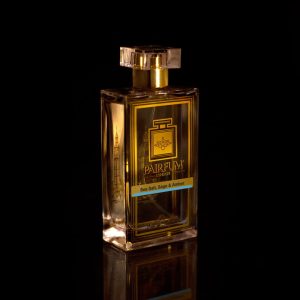
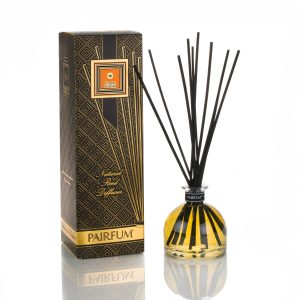
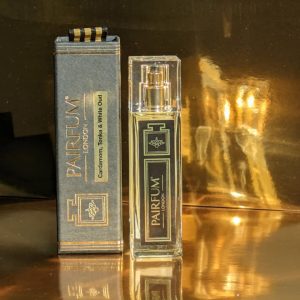
To experience Magnolia, you should really try our perfume “Magnolias in Bloom” in our Home Fragrance range. Have a look at its fragrance description and then visit our online boutique to find the product that would enjoy most.
Photo Gallery of Magnolias