Introduction:
The term “niche perfume” is relatively new, but the concept of small, independent perfume houses has been around for centuries.
In fact, some of the most famous perfumes in history were created by niche perfumers. The early history of niche perfume defines perfumery.
What Is A Niche Perfume?
We believe Niche, Indie, Boutique and Artisan Perfumes are terms that can be used synonymously. In other words, they all describe the same.
These perfumes, typically have the following commonalities:
- an in-house perfumer
- no mass marketing
- limited quantity & availability
- unusual fragrance notes
The Earliest Niche Perfumes
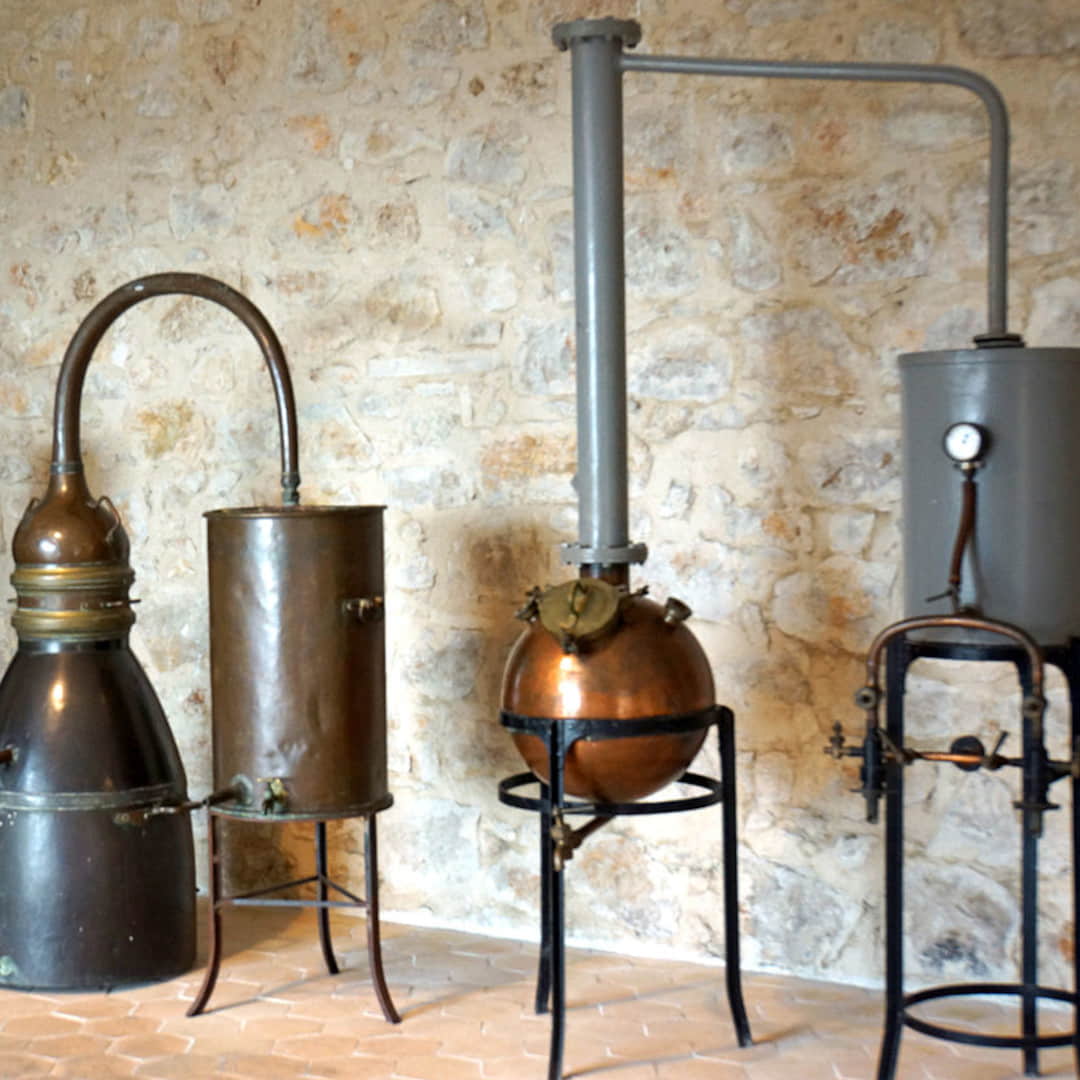
When looking at the history of perfume, the earliest perfumes were created in the Middle East and the Far East. These perfumes were often made with natural ingredients, such as flowers, herbs and spices. They were essentially ‘niche perfumes’ as they were used for niche purposes, i.e. for religious or ceremonial purposes, and / or they were used by an elite within society for personal fragrancing.
One of the earliest examples of such niche perfumes is an attar, which is a concentrated perfume oil made from flowers. Attars have been used in India for centuries, and are still considered to be one of the most luxurious perfumes in the world.
Another early example of a niche perfume is oud, which is a resin that is extracted from a tree that growing in Southeast Asia. Oud is a very expensive perfume ingredient, and it is often used in traditional Arabic perfumes.
Even the bible mentions the 3 x Magi or “Wise Men” bringing frankincense and myrhh, both regarded as precious luxuries.
The Rise of Niche Perfumery in the 20th Century
The 20th century saw a resurgence of interest in niche perfumery.
This was due in part to the a combination of the following factors:
- an increasing demand for unique and personalized fragrances, in response to the ubiquity of Designer Perfume Brands,
- the decline in popularity of ‘Celebrity’ endorsed fragrances,
- growing popularity of natural ingredients, and
- the concentration of the perfume industry to a few major conglomerates, e.g. Lauder, LVMH, Gucci/PPR, Puig, …
One of the pioneers of niche perfumery in the 20th century was Frederic Malle. Malle founded his eponymous perfume house in 1994, and he quickly became known for his innovative and creative fragrances. Malle’s perfumes are often inspired by art, literature, and music, and they are made with the highest quality ingredients.
Another important figure in the history of niche perfumery is Serge Lutens. Lutens was a perfumer for Guerlain for many years, but he left the company in 1992 to start his own perfume house. Lutens’ perfumes are known for their complex and evocative scents, and they often have a dark and mysterious edge.
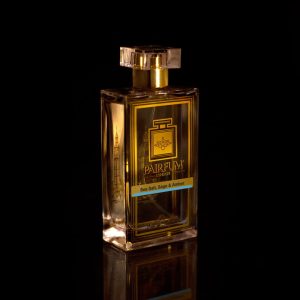
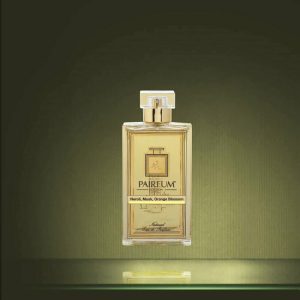
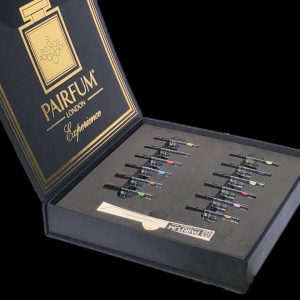
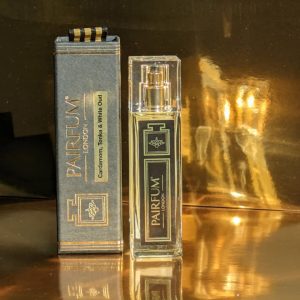
Other notable Niche Perfumes from London are Creed, Penhaligons and Floris, with the newest kid on the block being Pairfum London.

The Growth of Niche Perfumery in the 21st Century
The 21st century has seen a continued growth in the popularity of niche perfumery. This is due in part to the increasing availability of niche perfumes online, as well as the growing awareness of the benefits of using natural ingredients.
Today, there are hundreds of niche perfume houses around the world. These houses offer a wide variety of fragrances, from classic scents to avant-garde creations. Niche perfumes are often more expensive than mass-market fragrances, but they are also seen as being more exclusive and luxurious.
The Future of Niche Perfumery
The future of niche perfumery looks bright. As consumers become more interested in natural ingredients and personalized fragrances, the demand for niche perfumes is likely to continue to grow.
In addition, the increasing availability of niche perfumes online is making them more accessible to a wider range of consumers. This is likely to further boost the growth of the niche perfume market in the years to come.
Niche Perfume versus Prestige Perfume
The terms “niche perfume” and “prestige perfume” are often used interchangeably, but there is a subtle difference between the two. Niche perfumes are typically made by small, independent perfume houses, while prestige perfumes are made by large, established brands.
Niche perfumes are often seen as being more exclusive and luxurious than prestige perfumes. They are also typically made with higher quality ingredients. However, niche perfumes can also be more expensive than prestige perfumes.
Ultimately, the decision of whether to choose a niche perfume or a prestige perfume is a personal one. Some people prefer the exclusivity and luxury of niche perfumes, while others prefer the familiarity and affordability of prestige perfumes.
Conclusion:
The history of niche perfume is a long and varied one. From the early days of attar and oud to the modern era of Frederic Malle and Serge Lutens, niche perfumes have always been a source of beauty, luxury, and individuality.
As the demand for niche perfumes continues to grow, it is likely that we will see even more innovative and creative fragrances in the years to come.
Niche perfume is a truly unique and special category of fragrance, and it will continue to increase in popularity for many years to come.