Home / Archives for Pairfum / Page 4
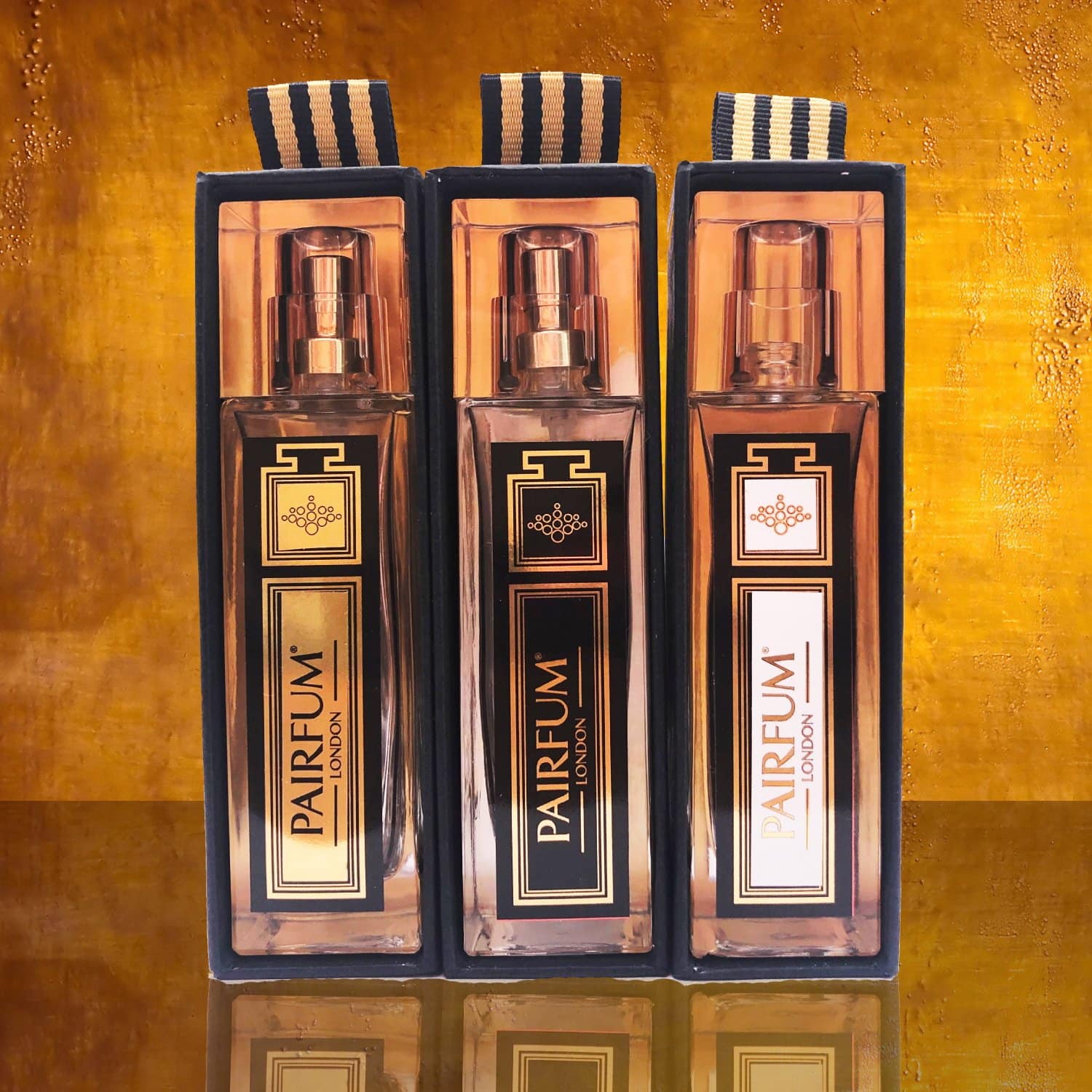
Eau De Parfum Pure Three Pairfum Pink Rose Sensuous Musk

Fragrant Surprises: Perfect Mother’s Day Gifts for an Aromatic Celebration

Mother’s Day is a special occasion to celebrate and honour the woman who has nurtured and cared for you throughout your life. This year, why not surprise your mother with a unique and fragrant gift that will leave her with a lasting impression? 

Whether it’s a niche perfume, a scented candle, a set of essential oils, or an entire hamper of aromatic products, a fragrant gift is the perfect way to show your love and appreciation for all that she does. 

At Pairfum, our in-house perfumers are extremely passionate about fragrances. They use their innovative skills to create an exquisite variety of unique aromas. Our luxurious collection includes niche perfumes, diffusers, scented candles, room sprays and much more.

In this article, we’ll explore Perfect Mother’s Day Gifts that will leave a lasting aroma of love and happiness. From invigorating niche perfumes to fragrant candles, we’ll help you find the perfect present that will make this Mother’s Day a celebration to remember.

1. Find the Perfect Niche Fragrance

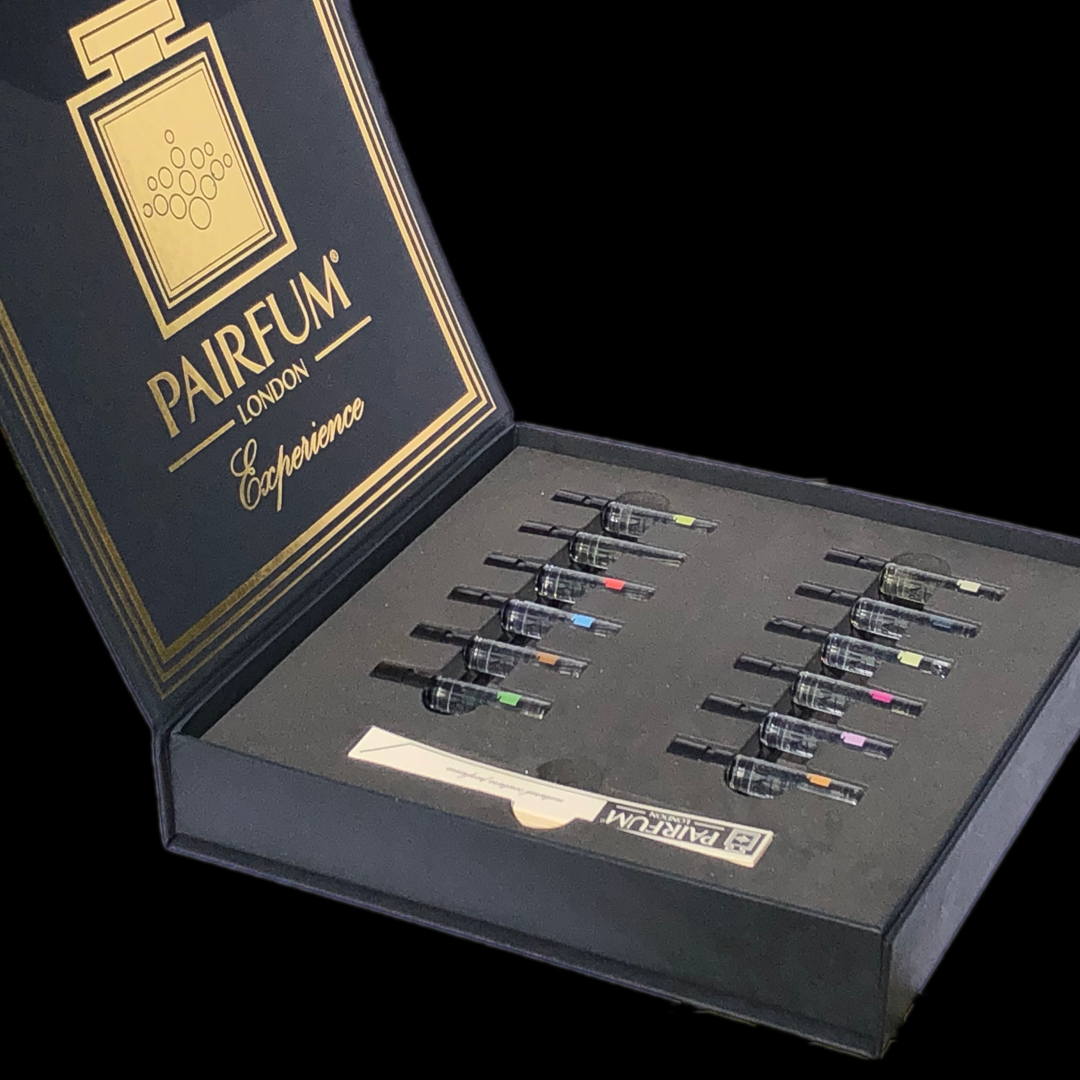
Pairfum Collection Niche Perfume Experience Fragrance Library Square Gift Box Open Display Perfect Mother's Day Gifts

Picking the perfect niche fragrance for your mum is an art that requires a deep understanding of her perfume preferences. Niche fragrances are highly sought after for their unique and sophisticated aromas, making them the perfect gift for a discerning mother. 

To find the ideal niche fragrance, consider her personal style and the types of fragrances she typically wears. Pay attention to the occasions she wears them for, such as everyday wear or special events. Ask for recommendations from her friends or family members, and consider the brands and perfumes that she already loves. 

With this information, you can select a niche fragrance that perfectly captures your mum’s unique personality and style. Whether it’s a floral, woody, or fresh note, a niche fragrance is a luxurious and memorable gift that your mum will treasure for years to come.

Having trouble picking just one niche fragrance from our incredible collection? Check out our perfume experience box that allows you to try 12 different fragrances, each with exceptional notes.

2. Choose Aromatic Candles and Essential Oils

Pairfum Natural Wax Candle Pure Blush Rose Amber Perfect Mother's Day Gifts, Pairfum's natural scented candle.

Aromatic candles and essential oils would make an ideal gift for a relaxing Mother’s Day. These fragrant products not only add a beautiful aroma to any room, but they also provide a sense of calm and relaxation that your mum will surely appreciate, making them an all-time favourite amongst Perfect Mother’s Day Gifts.

Our natural candles come in a variety of fragrances, from fresh and invigorating to warm and cosy. Choose one that reflects your mum’s personal preferences or one that will create a calming atmosphere for her. Essential oils, on the other hand, can be used in a diffuser or blended with a carrier oil for a massage. 

Whether she uses them for aromatherapy, stress relief, or simply to create a cosy ambiance, your mum will love these fragrant gifts. Both fragrant candles and essential oils make wonderful additions to a soothing spa day or even a quiet evening at home. So, light a candle, diffuse some essential oils, and let your mum unwind during this Mother’s Day.

3. Find Aromatic Room Sprays and Room Diffusers

Pairfum Large Reed Diffuser Bell Signature Linen Lavender Perfect Mother's Day Gifts, Pairfum's natural reed diffusers.

Room sprays and room diffusers make thoughtful gifts that will create a fragrant home environment for your mum. Room sprays are a quick and easy way to add a burst of freshness to any room. They come in a variety of aromas, from floral and fruity to earthy and musky, so you’re sure to find one that your mum will love. 

Room diffusers are a more long-lasting option and perfect for creating a continuous and subtle fragrance in your mum’s home. These diffusers come in a range of styles, from sleek and modern to charming and decorative. Choose one that matches your mum’s home decor and personal style. 

Both room sprays and diffusers make wonderful gifts that will help your mum turn her home into a fragrant haven. Whether she uses them to freshen up the living room, bedroom, or bathroom, your mum will love these thoughtful gifts that make her home smell as beautiful as she is.

4. Create a Personalised Fragrant Gift Basket

If you’re overwhelmed with the variety of aromatic products, why not create a personalised fragrant gift basket for your mum as a thoughtful and unique way to show her how much you care? Choose a selection of her favourite fragrances, such as candles, niche perfumes, skin-care products, or essential oils, and present them in a beautiful basket. 

You can also add a few special touches, such as a handwritten note, a bouquet of fresh flowers, perfumed botanicals, or a cosy blanket. Consider your mum’s personal preferences and choose products that will truly delight her. For example, if she loves spa days, include luxurious bath products and a soothing candle. If she loves nature, choose floral aromas and essential oils. 

A personalised fragrant gift basket is a wonderful way to show your mum that you’ve put thought and care into her gift. It’s a sentimental and practical present that she’ll cherish for years to come.

Choose Pairfum to Find Perfect Mother’s Day Gifts with an Aroma.

Are you looking for exquisite, fragrant surprises for your Mum? We’ve got you covered!

At Pairfum, our in-house perfumer is passionate about fragrances and dedicated to inventing new and unique aromas to delight our customers. 

With our expertise in the perfume industry, we create a wide range of fragrant products. Our collection includes exquisite niche perfumes, home aromas, skin care products and much more. Explore our stunning products and reach out to us to find out more about our offering.

Large Luxury Gift Bag by Pairfum Home Fragrance Perfumed Candle Reed Diffuser Bell Perfect Mother's Day Gifts by Pairfum London
Pairfum Person Reflection Scarlet Rhubarb Oakmoss Eau de Parfum Woman

What Are The Different Perfume Strengths?

Many of our clients ask: “can you please explain in simple terms the different perfume strengths?”

When navigating the labyrinthine world of fragrances, there is an array of terms that can confound even the most seasoned connoisseur. From Eau Fraiche to Attar, each classification represents a unique concentration of pure fragrance oils, offering a distinct olfactory experience. In this article, we unraveling the nuances of each perfume strength to provide clarity and simplify your choice.

Perfume or Parfum: The Epitome of Opulence

At the pinnacle of fragrance potency resides Perfume, an embodiment of luxury and refinement. Boasting an astonishing concentration of up to 40% pure essence, Perfume envelops the wearer in an aura of unparalleled richness.

Its application is an exercise in restraint, with a mere dab on pulse points sufficing to unleash a symphony of scent that lingers throughout the day. Renowned for its enduring allure, Perfume captivates the senses with its depth and complexity, leaving an indelible imprint on all who encounter it.

Typically, a parfum or perfume is oil based rather than using alcohol to make it easier to dab the pulse points.

Eau De Parfum Person Reflection Mandarin Blossom Sandalwood Man Different Perfume Strengths

Eau de Parfum: A Harmonious Symphony

For those seeking a potent yet versatile fragrance experience, Eau de Parfum emerges as a beacon of sophistication. With essence concentrations exceeding 15%, this exquisite elixir exudes an aura of refined elegance. Its robust base notes provide a solid foundation for the fragrance, ensuring longevity without overwhelming the senses.

Ideal for both daytime and evening wear, Eau de Parfum strikes a delicate balance between potency and accessibility, captivating the senses with its enduring allure.

Eau de Toilette: A Breath of Freshness

As the quintessential embodiment of daytime luxury, Eau de Toilette enchants with its invigorating vibrancy. With essence concentrations typically ranging around 10%, Eau de Toilette offers a refreshing burst of fragrance that revitalizes the senses.

Although its ephemeral nature necessitates periodic reapplication, its affordability and versatility make it a perennial favourite among fragrance enthusiasts. Perfect for warm summer days or casual outings, Eau de Toilette embodies the essence of everyday indulgence.

Eau De Parfum Person Reflection Cardamom Tonka White Oud Girls Different Perfume Strengths

Eau de Cologne: The Essence of Effervescence

Nestled at the lighter end of the fragrance spectrum, Eau de Cologne offers a delightful burst of scents at an accessible price point. With essence concentrations typically hovering around 2-5%, Eau de Cologne delivers a refreshing yet brisk olfactory experience. Its invigorating aroma evokes images of classic barbershops and timeless elegance, making it a staple in every discerning individual’s grooming repertoire.

Perfect for daily wear or casual outings, Eau de Cologne embodies the essence of understated luxury and effortless charm. Applied liberally to the skin, it imparts a sense of confidence and sophistication, ensuring that the wearer exudes an air of timeless refinement.

Eau Fraiche: A Splash of Serenity

Among the lighter variants of fragrance, Eau Fraiche reigns supreme with its delicate composition and ephemeral charm. Consisting of a mere 1-3% essence, Eau Fraiche offers a fleeting yet refreshing olfactory experience. Its subtle aroma evokes images of sun-kissed shores and gentle breezes, making it an ideal choice for casual wear or moments of relaxation. Applied liberally to the skin, Eau Fraiche imparts a sense of serenity and tranquility, enveloping the wearer in a cloud of delicate fragrance.

Pairfum Eau De Parfum Person Reflection Sea Salt Sage Amber Woman Aqua Different Perfume Strengths

Eau de Parfum Intense: A Bold Expression of Sensuality

For those craving an intensified olfactory experience, Eau de Parfum Intense delivers an alluring blend of potency and allure. With essence concentrations surpassing 20%, this potent elixir exudes a captivating aura of sensuality and sophistication. Its rich and complex fragrance profile captivates the senses, leaving an indelible impression on all who encounter it. Perfect for special occasions or evening wear, Eau de Parfum Intense offers a bold expression of individuality and allure.

Aftershave / Cologne: A Classic Refinement

Steeped in tradition and timeless elegance, Aftershave or Cologne exudes a classic charm that transcends generations. With essence concentrations ranging from 2-5%, this venerable elixir offers a refreshing burst of fragrance that invigorates the senses. Its brisk and invigorating aroma evokes images of barbershop classics and gentlemanly refinement, making it a staple in every discerning individual’s grooming arsenal. Applied liberally to the skin, Aftershave or Cologne imparts a sense of confidence and sophistication, ensuring that the wearer exudes an air of timeless charm.

Pairfum London Eau De Parfum Intense 30ml 3 Gold Different Perfume Strengths

Splash Cologne / Spritzer: A Casual Elegance

Embodying the essence of effortless sophistication, Splash Cologne or Spritzer offers a delightful burst of fragrance in a convenient and versatile format. With essence concentrations typically ranging around 3-5%, this lightweight elixir provides a refreshing pick-me-up throughout the day. Its invigorating aroma enlivens the senses, imparting a sense of casual elegance and refinement. Ideal for daily wear or casual outings, Splash Cologne or Spritzer epitomizes understated luxury and effortless charm.

Attar: The Essence of Exoticism

Originating from the mystical lands of the East, Attar exudes an aura of exoticism and allure. Crafted from natural botanical extracts and essential oils, this concentrated fragrance oil offers a rich and intoxicating olfactory experience.

Applied sparingly to pulse points, Attar envelops the wearer in a veil of seductive fragrance that lingers throughout the day. Renowned for its depth and complexity, Attar captivates the senses with its evocative aroma, transporting the wearer to distant realms of mystery and intrigue.

Attars are not simple a ‘different perfume strength’ but they also offer a different formulation: instead of using perfumer’s alcohol, Attars are oil based. This creates a longer lasting fragrance, particularly in higher temperature countries, e.g. Arabic countries. The downside is the missing burst of perfume that is typical of the different concentrations mentioned above.

Pairfum Collection Niche Perfume Experience Fragrance Library Square Presentation Box Macro Bottle Different fragrance Strengths

Conclusion: Different Perfume Strengths for a Reason

The diversity of different perfume strengths offers a kaleidoscope of olfactory delights, each tailored to suit diverse preferences and occasions. Whether indulging in the opulent allure of Perfume or embracing the invigorating freshness of Eau de Toilette, the choice ultimately rests on personal preference.

We hope you can now venture forth with confidence, armed with the knowledge of the different fragrance strengths, and embark on a scented journey that resonates with your unique style and sensibilities.

After all, true elegance lies in the art of selecting a fragrance that speaks to the soul of both you and those around you.

Here at Pairfum London, we are dedicated to exceptional, Natural Niche Perfume and we only present Eau de Parfum Intense, as it speaks the language of fragrance most clearly.

We invite you to explore our range, whether it is in the form of a full sized 100ml, a travel size 30ml or our Perfume Experience Box.

Pairfum EdP Intense Trinity Marble Different Fragrance Strengths
Pairfum London How Do You Describe Fragance Perfume Description 1 1

What Are Olfactive Families? Perfume Notes Or Ingredients?

One of the first questions we are frequently asked here at Pairfum London are:

  • What are Olfactive Families?” and
  • How do you describe your Favourite Perfume?

When confronted by the shear volume of fragrances available, it can be so easy to get overwhelmed by the different varieties of scents.

One way of discovering your ‘New’ favourite perfume, or a way to discover more about your go-to classic is to use Olfactive families.

“Easier said than done”, … I hear you say.

Olfactive Families Fragrance Wheel Classification Michael Edwards Describe Perfume

History

However, before we go into the definition or classification of the olfactive families, we should ask ourselves:

  • who or what defines and gives us these classifications?
  • when did it begin and do they differ?

It should also be ‘noted’ (we do love using Perfume terms), that Olfactive families do not refer to ingredient classifications, but refer solely to the finished Perfume. In essence (there we go again), it is a way to describe and classify how a perfume smells rather than what it contains.

The first classification of fragrances surfaced around the 1900, and consisted of seven families, however in the late 19th Century as techniques for synthesising compounds became more intricate, so did the need to evolve the methods for categorising them.

Then in 1949 an Austrian perfumer called ‘Paul Jellinek’ devised the first fragrance wheel, which he called the ‘Odor Effects Diagram’. This is a round diagram showing the inferred relationships among olfactory groups based upon the similarities or differences in their odor. On the fragrance wheel, perfume groups that border one another are implied to share common olfactory characteristics.

Since it’s creation there have been many other notable versions of the wheel. Which include the version from 1983 by perfumer Michael Edwards, and the ‘Fragrance Circle’ which was developed in 1979 by U. Harder at ‘Haarman & Reimer’ which has since become part of  Symrise.

Since its creation Edwards version of the Fragrance Wheel has been modified several times through the addition of different groups to encompass different fragrance types. With the latest revision being in 2010, in this version there are four standard families, Floral, Oriental, Woody and Fresh, these are in turn then divided into three further sub-groups.

Eau De Parfum Person Reflection Sea Salt Sage Amber Family Beach Walk Olfactive

Different Classification Systems

In the wonderful world of Perfume there are a number of major ‘Perfume Houses’, four of which are:

  • Firmenich,
  • Givaudan,
  • IFF and
  • Symrise.

By ‘Perfume Houses’ we do not refer to major brands that have as part of their offerings or collections released ‘Perfumes’ for sale., such as the illustrious brands of ‘Channel’, ‘Dior’, ‘Estee Lauder’, ‘Versace’ or ‘Gucci’, to name but a few.

When referencing ‘Perfume Houses’, in this article we are referring to the eminent classical houses, such as Firmenich and Symrise among others, where some of the ‘Top Perfumers’ in the world were nurtured, trained and in some cases still reside.

Within these ‘Houses’ they also have their specific way of classifying perfumes, which differ from each other for example:

Firmenich classifies their perfumes in the following way: Chypre, Citrus, Floral, Oriental, Aromatic and Woody. 

Other companies such as Symrise, IFF or Givaudan, use different classifications.

The Olfactive Families

As mentioned above, there are major families: Citrus, Chypre, Floral, Floriental, Aromatic, Citrus, Oriental and Woody. Each one of these olfactive families can then be split into several subfamilies.

THE CITRUS FAMILY

By “citrus”, we mean the essential oils obtained by extracting the zest from fruits such as bergamot, lemon, orange, mandarin, etc., combined with orange flower products. In this group we find the main “Eau de Cologne” fragrances used by men and women. Also included in this group are – SPICY CITRUS, AROMATIC CITRUS, FLORAL CHYPRE CITRUS, WOODY CITRUS, FLORAL WOODY CITRUS and MUSKY CITRUS.

THE FLORAL FAMILY

This family consists of fragrances with a single flower as their main component, such as  jasmine, rose, , violet, tuberose, lily of the valley narcissus, to name but a few. Also belonging to this family are SOLIFLORE (single-flower) as the name suggests is used when a single floral note is needed, FLORAL MUSKY, FLORAL BOUQUET, FLORAL ALDEHYDIC, FLORAL GREEN, FLORAL FRUITY WOODY, FLORAL WOODY,  FLORAL MARINE, FLORAL FRUITY.

Fougere Fragrance Evolution Meaning History Fern

THE FOUGERE FAMILY

This term which is associated by many with fern, does not in fact claim to represent a fern fragrance. It consists mainly of a blend of notes made up of lavender, woody, oak moss, coumarin, and bergamot notes. The other family members within this clan are FLORAL AMBER FOUGERE, SOFT AMBER FOUGERE, SPICY FOUGERE, AROMATIC FOUGERE, FRUITY FOUGERE.

THE CHYPRE FAMILY

It has been suggested that the chypre fragrance construction dates back to Roman times, and ‘chypre’ as the name for an accord is often mentioned in 18th Century. However others suggest that this type of fragrance was popularised by the release of ‘Chypre de Coty’ in 1917  by pioneering perfumer François Coty. Whichever line of thought you choose to follow, the following acords are also part of this sub-group – FRUITY CHYPRE, FLORAL ALDEHYDIC CHYPRE, LEATHER CHYPRE, AROMATIC CHYPRE, GREEN CHYPRE, FLORAL CHYPRE.

THE WOODY FAMILY

When warm, opulent notes, such as sandalwood or patchouli, or dry notes such as cedar or vetiver, are combined with top notes of lavender and citrus, then the Woody Family is born. This family is made up of WOODY, WOODY CITRUS CONIFEROUS, WOODY SPICY, WOODY AMBER, WOODY AROMATIC, WOODY SPICY LEATHER, WOODY MARINE, WOODY FRUITY, WOODY MUSKY.

AMBER-ORIENTAL

Under the heading of “AMBER” or “ORIENTAL”, we find fragrances with soft powdery notes, vanilla, cistus, labdanum and animal very dominant. Six sub-groups of ambers are listed: SOFT AMBER, FLORAL SPICY AMBER, CITRUS AMBER, FLORAL WOODY AMBER, FLORIENTAL, FLORAL FRUITY AMBER.

THE LEATHER FAMILY

This has an exceptional formula, a slightly different concept of perfumery with dry, sometimes very dry notes, in the aim of trying to reproduce the characteristic fragrance of leather (smoke, burnt wood, silver birch, tobacco…) and top notes with floral inflexions.

The subfamilies are: FLORAL LEATHER, TOBACCO LEATHER

The leather note is tempered with wood, honey and hay harmonies which characterize the virginian tobacco note.

THE FRUITY FAMILY

This olfactive group has no limits: beautiful, fruity fragrances with berries (strawberries, raspberries, loganberries, blueberries, …), sweet juicy fruit (peaches, nectarines, mango, papaya, …), tropical fruit (coconut, pineapple,… ), Kiwi, melons, … there are always new enticing fruit varieties to try.

Unlike the afore mentioned catogories, Skin Care and Toiletries products typically take the lead here. Shower gels, soaps or lotions are more likely to introduce a new type of fruit than an Eau de Toilette.

Lavender Perfume Light The Allure Of Natural Fragrance Oils Exploring Nature’s Essence In Perfumery

Conclusion – Olfactive Families

Olfactive families aren’t a method for categorising ingredients but the actual notes in perfumery. In essence, it was a way to break down and class how a perfume smells rather than what it contains.

Although many fragrances can be described with about 10-20 dominant notes, there are literally thousands in perfumery, and olfactive families are used to group perfumes by their profiles.

Any Parfumista or Connoisseur in the field of perfume will enjoy browsing the following articles on our website for more in-depth insights into the world of fragrance:

Eau De Parfum Person Reflection Black Cherry Oolong Tea Olfactive Family
Eau De Parfum Person Reflection Cardamom Tonka White Oud Hair 1 1

How to Perfume Your Hair: A Comprehensive Guide

Introduction:

Many of our customers ask us: “Can I Perfume My Hair?” or “How To Perfume Your Hair?

Today, the art of fragrance isn’t limited to just your wrists or neck anymore, it has transcended to become a complete sensory experience that includes your hair.

Perfuming your hair is becoming increasingly popular, not just among women but also among men who understand the value of a lingering fragrance.

However, perfuming your hair isn’t as straightforward as applying your favourite fragrance on your wrists or using an after shave. In this comprehensive guide, we explore the following:

  • how to perfume your hair,
  • pros & cons,
  • the suitable types of perfumes,
  • the different formats and techniques,
  • unique tips from our in-House perfumer.
Eau De Parfum Person Reflection Sea Salt Sage Amber Woman Smile How to Perfume Your Hair

Pros & Cons Of A Hair Fragrance?

Whenever it comes to perfume, we all have our personal preferences and routines that we favour.

Still, … it is worth to remember a few unique differences between skin and hair when discussing “How to perfume your hair” with your friends & family:

  • Air Flow: perfume evaporates faster when air flows over it and we naturally move our head & hair during the day which in turn stimulates perfume evaporation. Will a hair perfume last?
  • Habituation: One of the disappointments with wearing perfume is that we can’t sense our own fragrance after a short time because our noses become used to it. Can a hair fragrance solve this?
  • Heat: we loose most of our body heat via our head. This heat will invariably stimulate the diffusion of your perfume from your hair into the room and you may find that your fragrance projects much better than previously. Equally, your sillage can be expected to be better.
  • Surface Area: depending your hair style, you may have a wonderfully large area where to apply perfume rather than the small surface areas of your wrists, arms, chest or cheeks. How will this affect fragrance intensity?
  • Adhesion: the oils that naturally occur in your hair, will improve adhesion of the fragrance to your hair. Will your fragrance last longer?

Pros:

When you use a hair perfume, you may expect that you and your friends, family and partner will suddenly notice your perfume because you stood up, moved from where you were standing and simply ‘moved your hair’ to stimulate air flow. This is how a hair perfume overcomes ‘habituation’ and

Those of us who react allergic to perfume on their skin, may find that they do not react at all when they fragrance their, as there is no or very little skin contact.

Some of our clients report that they find fragrance on their hair lasts longer which will be due to ‘adhesion’ of the fragrance to the hair.

Our hair doesn’t perspire and you may find when playing a sport or exercising that your fragrance copes and lasts much better, as it doesn’t evaporate with your perspiration and increased body heat.

Cons:

You simply might not like perfume on your hair, as it might come into your eyes or you don’t like the feeling of the fragrance in your hair.

You might not like that a hair perfume can become too intense.

Eau De Parfum Person Reflection Scarlet Rhubarb Oakmoss How to Perfume Your Hair

Different Perfume Concentrations?

You probably know already that the concentration of the fragrance oil in a perfume dictates its longevity and potency. In other words, a Parfum or an Eau de Parfum have a higher oil concentration than Eau de Toilette or an Eau Fraiche.

You may instinctively expect that it will be better to use a higher concentration product for the hair. However, a Parfum or Eau de Parfum might not be ideal for you, if you feel that your hair is naturally oily, a bit thin or perhaps a little ‘heavy’.

Instead, in this scenario, a lighter Eau de Toilette, Eau Fraiche and maybe even a Hair Mist might be the ideal for you. The oil that is naturally in your hair will naturally help to make your perfume last longer, as it will bind the perfume to the hair, i.e. you might not need a higher concentration anyway.

The exact opposite is the case, if you feel that your hair is dry, strong or thick. In this case, the higher oil concentration you find in a Parfum, Eau de Parfum or Eau de Parfum Intense might be ideal for you.

As you can see, you might have to try a few different types before you discover which concentration is best suited to your unique hair.

Perfumer’s Tip

This is the first tip from our in-House Perfumer, Huib Maat:

“Use a lighter concentration but spray it more often to cover your entire head evenly. You will that your fragrance lasts longer and it won’t appear greasy”.

Eau De Parfum Person Reflection Black Cherry Oolong Tea Man How to Perfume Your Hair

Types Of Perfumes Suitable For Hair?

When it comes to choosing a fragrance for your hair, not all perfumes are created equal.

Some of the types to consider are:

  1. Eau de Toilette / Eau de Parfum / Eau de Cologne / Eau Fraiche : the typical perfume spray we all use. Choose the perfume concentration that fits your hair. With a spray it is very easy to apply a fine mist evenly across your hair or head.
  2. Hair Mists: These are light formulations designed specifically for hair, typically containing no or less alcohol-free and water instead. Usually, the perfume concentration is less.
  3. Essential Oil Dropper: Natural oils can be applied directly to your scalp using an oil dropper. This will naturally fragrance your hair.
  4. Attars, Elixir or Parfum: These are oil-based perfumes and it is a question of taste or climate whether these are ideal for you. They are ideal for applying perfume directly to your scalp. Also consider these when you prefer to comb a fragrance into your hair, as you can easily apply a few drops to the teeth of the come without making a mess.
  5. Pen or Roll-On: a bit like the oil dropper bottles, they allow to apply perfume to your scalp in specific spots.
  6. Pomade: this is the time-honoured and preferred method of gentlemen when fragrancing their hair in the morning. Pomades are easily and evenly applied to your hair using a comb.
  7. Serums or Creams: These are great for those who also want some nourishing benefits along with the scent. The fragrance tends to be very, very light.

Perfumer’s Tip

Here is another tip from our perfumer:

“Avoid water-based hair mists, as water droplets are bigger in size. Instead, opt for a spray with mostly alcohol, as the alcohol will create micro-fine fragrance droplets that will lightly and evenly cover your hair to ensure it doesn’t look greasy or feel wet.”

Eau De Parfum Person Reflection Sea Salt Sage Amber Man View How to Perfume Your Hair

Different Techniques to Perfume Hair

  1. Spray Directly: using a spray and mist, hold the bottle 6-8 inches away from your hair and spritz.
  2. Walk-in: Spray the ‘air’ and walk into the floating mist. This technique has a major advantage, as it allows the alcohol and/or water to evaporate so that only a very fine perfume mist settles on your hair. The technique is also recommended, if you are worried about greasy looking hair. Just make sure you close your eyes when you step into the perfume.
  3. The Comb-Through: Apply perfume to a comb and run it through your hair for even distribution. The downside is that fragrance particles left on your hair won’t be as fine.
  4. The Palm Rub: For attars and oils, apply a small amount to your palms, rub them together, and then lightly run them through your hair. This is similar to how you would apply other hair products.

Which Parts of the Hair Should Be Perfumed?

  1. Middle: this is the obvious area where every one of us instinctively fragrances the hair
  2. Ends: Focusing on the tips will allow more perfume to evaporate when your hair moves.
  3. Scalp: there is no obvious reason not to fragrance you scalp and it will allow your fragrance to last longer. However, you may find that the skin on your head is already sensitive from colouring your hair.

Should Perfume Be Sprayed Under Or Into The Hair Or On Top Of It?

This is more of a question for women and men with long hair.

Spraying perfume under the layers of your hair allows the scent to be released more subtly as you move over time.

Spraying it on top will create a more intensive perfume but will allow the fragrance dissipate more quickly.

Both have their unique advantages.

Perfumer’s Tip

Another tip from our perfumer:

“In particular for women, lifting the hair in the neck and spraying their perfume underneath is an excellent technique.”

Pairfum Person Reflection Spiced Coffee Oaked Vanilla Eau De Parfum

How Long Does Perfume Last on Hair?

The longevity of a scent on your hair depends on multiple factors, including the perfume oil concentration (see above), how long your hair is, your hair type, where you apply it on your head or hair, whether you are exercising and other factors.

Generally speaking, you should expect your perfume to last longer compared with spraying it on your skin, e.g. wrists, hands, face, neck.

Tips & Tricks

Here are a few additional tips and a word of caution from our in-House Perfumer:

  1. Layering Scents: You can layer a light hair mist with a stronger perfume for a more complex scent profile.
  2. Buildup: in the same way as you should avoid a build-up from only using 2in1 hair shampoos & conditioners, you should prevent a build up of fragrance over time by using a normal shampoo and separate conditioner afterwards.
  3. Irritation: in the same way as you should be cautious when using perfume on your skin, you should be cautious when applying it to your hair. Test the perfume on a small section of your hair to ensure it doesn’t react adversely. Observe for any changes in texture or colour and ensure the fragrance doesn’t irritate your scalp.
  4. Consult a Professional: When in doubt, consult a hairstylist or a dermatologist.

Conclusion

We hope we have answered your question of “How to perfume your hair”, as perfuming your hair can be a delightful experience, with some unique advantages and surprises.

By considering the type, concentration and application method, you can make the most out of the olfactory adventure with your hair. From sprays to attars to oils, each format offers a unique way to express your personality through fragrance.

So go ahead, choose your fragrance, and let your hair do the talking!

We invite you to trial at our Eau de Parfum Intense, for a natural niche perfume with a super-fine mist that is ideal for use as a Hair Perfume.

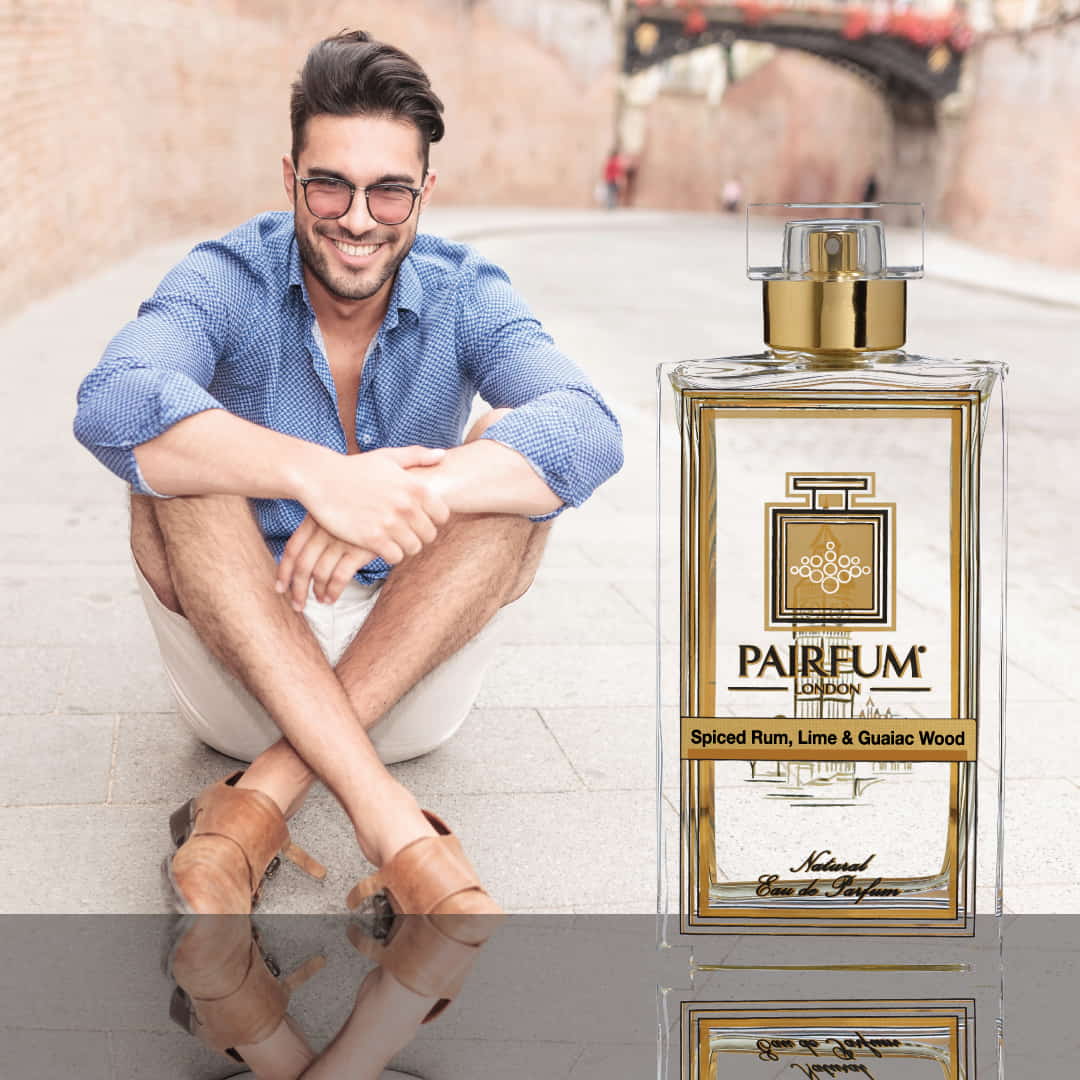
Eau De Parfum Person Reflection Spiced Rum Lime Guaic Wood Man Crosslegged How to Perfume Your Hair
Eau De Parfum Lift Off Bottle Neroli Musk Orange Blossom

The Influence Of The Circadian Rhythm On Wearing Fragrance

Introduction:

Many are aware of the circadian rhythm but little has been researched with regards to influence on our skin care routines and the way we wear fragrances.

This article introduces the current scientific know how and how it can be applied to both skin care and wearing fragrances.

Background Information

The circadian rhythm, a biological clock that governs our sleep-wake cycle, is a concept that many are familiar with, especially in its role in dictating our sleep patterns. However, what is less commonly understood is the circadian rhythm’s impact on our skin and the importance of synchronizing our daily and nightly activities with these natural fluctuations.

Emerging research, notably highlighted in a recent article by Cosmetics & Toiletries (C&T), reveals that our skin’s behavioor and its benefits are not constant throughout the day but vary depending on the time. This understanding is not entirely new within the skincare industry; many brands have been utilizing this knowledge in product development for years. The result has been the formulation of specialized skincare routines for both daytime and nighttime, tailored to align with these biological rhythms.

According to C&T, the skin adopts a defensive role during daylight hours, characterized by a thickening of the skin and increased levels of pH and sebum. In contrast, the skin switches to a reparative function at night. Processes like cell renewal, DNA repair, and enhanced blood circulation become more active. Additionally, the skin experiences increased temperature, permeability, and moisture loss during the night. This makes the nighttime an optimal window for applying nourishing skincare products, as the skin is more receptive to treatment than during the day.

This evolving conversation around the skin’s circadian rhythm emphasizes the need for consumers to be discerning in their choice of skincare products for both daytime and nighttime, ensuring that they meet the skin’s specific needs and desired outcomes at different times of the day.

Eau De Parfum Side Bottle Ginger Elemi Vetiver Circadian Rhythm

What it Means for Wearing Fragrance

The circadian rhythm’s influence extends beyond skincare to another sensory experience that is deeply personal and evocative—wearing fragrance.

Just as the skin’s needs and receptivity change throughout the day, so does its interaction with fragrances. The fluctuating levels of skin temperature, pH, and sebum will have a significant effect on how a fragrance unfolds on your skin and how long it lasts.

These fluctuations in pH and sebum (and most likely as well the microflora), equally explain why we feel that a fragrance we love during the day, is not one that we choose in the evening when we are going out or socialise at home.

During the daytime, when the skin is in its defensive mode, fragrances may not be as well-absorbed, leading to a more fleeting scent experience. The increased sebum and pH levels could also alter the fragrance notes, making them smell differently than they would at other times.

In contrast, the nighttime skin environment, characterized by higher permeability and moisture, may allow for a more lasting and true fragrance experience. The skin’s increased receptivity at night could make it the ideal time for wearing richer, more complex fragrances that unfold gradually over time.

Eau De Parfum Lift Off Bottle Black Cherry Oolong Tea Circadian Rhythm

How to Wear Fragrance Taking the Circadian Rhythm into Account

Daytime Fragrance

  1. Choose Lighter Scents: Given that the skin is less receptive during the day, opt for lighter, fresher fragrances that sit well on the skin without being overpowering.
  2. Application Points: Focus on pulse points that are exposed during the day, like wrists and neck, to maximize the fragrance’s sillage.
  3. Reapplication: Since fragrances may not last as long during the day, consider carrying a small bottle for reapplication.

Nighttime Fragrance

  1. Sensitive Skin: If you have sensitive skin, avoid wearing fragrance in the middle of the night, when your skin is at its most sensitive, vulnerable and open.
  2. Opt for Richer Scents: The skin is more receptive at night, making it a good time to wear more complex, richer fragrances.
  3. Application Points: Consider applying the fragrance on areas that generate more heat at night, like the chest and back of the knees, to help the scent evolve.
  4. Layering: The increased permeability of the skin at night makes it ideal for fragrance layering. Start with a scented body lotion and then apply the perfume to create a more nuanced scent experience.
  5. Test Longevity: Nighttime is the perfect opportunity to test the longevity of a fragrance, as the skin conditions are optimal for a long-lasting scent experience.
Eau De Parfum Tilt Bottle Bergamot Basil Pachouli Circadian Rhythm

Fragrance Recommendations

Here are some specific fragrance recommendations for different times of day:

Morning:

  • Citrusy scents, such as lemon, grapefruit, and orange, are invigorating and can help wake you up in the morning.
  • Floral scents, such as rose, jasmine, and lavender, are delicate and feminine. They can be a good choice for the daytime if you prefer a more subtle scent.
  • Green scents, such as cucumber, bamboo, and grass, are fresh and refreshing. They can be a good choice for the daytime if you are looking for a light and airy scent.
  • Aquatic, aromatic and fougere scents. These tend to be fresher notes and are ideal as daytime fragrances.

Evening:

  • Woody scents, such as sandalwood, cedarwood, and vetiver, are warm and sensual. They can be a good choice for the evening if you are looking for a more sophisticated and romantic scent.
  • Spicy scents, such as cinnamon, cloves, and nutmeg, are warming and invigorating. They can be a good choice for the evening if you are looking for a more exotic scent.
  • Oriental scents, such as amber, musk, and vanilla, are rich and luxurious. They can be a good choice for the evening if you are looking for a more sensual scent.
  • Floriental notes. As the name already indicates, this mixture of floral and oriental notes is another excellent olfactive category to choose your evening perfumes from.

Bedtime:

  • Lavender is a calming and relaxing scent that can help you fall asleep.
  • Chamomile is another calming scent that can help you sleep better.
  • Vanilla is a warm and comforting scent that can help you relax and wind down before bed.

As perfumers, we would recommend that you keep these suggestions in mind when you ‘sequence’ or ‘layer’ your fragrances throughout the day.

As you can see, there is a very good reason why you should re-apply your fragrance later on in the day and then actually choose a different note, but one that complements the fragrance you wore earlier in the day.

Pairfum Collection Niche Perfume Experience Fragrance Library Square Gift Box Open Display Circadian Rhythm

Conclusion – Circadian Rhythm & Fragrance

Understanding the circadian rhythm’s influence on the skin can offer valuable insights into how to wear fragrances effectively.

By choosing the right fragrances and application techniques for different times of the day, one can create a more fulfilling and lasting olfactory experience. Just as we tailor our skincare routines to align with our skin’s natural rhythms, so too can we adapt our fragrance-wearing practices to harmonize with the body’s circadian cycle.

This holistic approach not only enhances the sensory experience but also adds a layer of personalization and mindfulness to the art of wearing fragrance.

In the context, we would like to present our Perfume Experience Box, which offers 12 x Eau de Parfum Intense to explore which fragrances fit best with your Circadian Rhythm.

Circadian Rhythm Perfume Experience Box Fragrance Library Eau de Parfum
Psychodermatology Mental Health Skincare Synchronization Woman

Psychodermatology: Mental Health & Skincare Synchronization

 A new, innovative trend within cosmetic ingredients being developed is in the direction of skin health and overall wellness, termed psychodermatology. Specifically, this trend focuses on the experience of using skincare products and how these products can positively impact our mood and overall mental health.

Keep in mind, our skin is our largest organ!

What Is Psychodermatology?

Psychodermatology is the study of the relationship between the skin and the mind. It is a relatively new field of study, but there is growing evidence to suggest that there is a strong connection between the two.

For example, studies have shown that people with mental health conditions such as anxiety and depression are more likely to develop skin conditions such as acne, eczema, and psoriasis. Conversely, people with skin conditions are more likely to experience anxiety and depression.

This suggests that there is a bidirectional relationship between the skin and the mind. The skin can affect the mind, and the mind can affect the skin.

Why Is This Trend Emerging?

There are a number of reasons why the trend of psychodermatology is emerging. One reason is that there is a growing awareness of the importance of mental health. People are more open to talking about their mental health challenges, and they are more likely to seek help.

Another reason is that there is a growing body of research on the link between the skin and the mind. This research is helping to raise awareness of the issue and to develop new treatments for skin conditions that are associated with mental health challenges.

Psychodermatology Mental Health Skincare Synchronization Man Bath

How Does This Trend Materialise?

1. Sensorial Experience

The first aspect of focus is the sensorial experience of applying the product to the skin.

Consumers are seeing positive impacts on their mood during application and when evaluating the afterfeel and performance of these products. When skincare products leave the skin feeling hydrated, soothed, and soft, it has a positive impact on the user’s mental health. Ingredients are being developed and appearing in the first products with an improved sensorial experience and ‘application enjoyment’.

2. Mental Health

Beyond the initial experience, this trend shows how skincare products, particularly those that treat skincare imperfections and conditions, can offer true mental health benefits. By using products that are beneficial to the skin’s overall health and appearance, stressors that have negative psychological effects are reduced, helping to improve overall self-esteem and confidence.

New multifunctional ingredients are coming to the market that offer skin health benefits such as hydration, makeup removal, moisture retention, and healthy shine, all while being naturally derived. These benefits are being utilized in new products that:

  • thoroughly cleanse the skin,
  • products used during slugging to retain a higher level of actives and moisture, and
  • in products that leave behind a healthy glow and shine.

These benefits can help to improve the appearance of the skin and can help to improve the consumers’ overall confidence and experience with the products.

Here are a few example of skin care ingredients that align with this trend

3. Ingredient & Product Examples

There are a number of skin care ingredients that have been shown to have benefits for mental health. These include:

  • L-theanine: This amino acid is found in green tea and has been shown to reduce anxiety and improve mood.
  • GABA: This neurotransmitter is known to have calming effects. It can be found in supplements or in certain skin care products.
  • Aloe vera: This plant has been shown to have anti-inflammatory and wound-healing properties. It can also help to reduce stress and anxiety.
  • Chamomile: This herb has been used for centuries to soothe the skin and promote relaxation. It can be found in teas, lotions, and essential oils.
  • Lavender: This essential oil is known for its calming and relaxing properties. It can be used in a diffuser or added to a bath.

Examples of product types & features that align with this trend

There are a number of product types and features that are designed to address the mind-skin connection. These include:

  • Products that are fragrance-free or lightly fragranced: Strong fragrances can irritate the skin and trigger anxiety or headaches.
  • Products that are calming and relaxing: These products may contain ingredients such as lavender, chamomile, or L-theanine.
  • Products that are designed to be used in a spa-like setting: This can help to create a relaxing and de-stressing environment.
  • Products that are personalized to the individual: This can help to ensure that the product is effective and that it does not trigger any negative reactions.
Psychodermatology Mental Health Skincare Synchronization Woman Lotion

The Implications For Perfumes?

The trend of psychodermatology has implications for the perfume industry.

Fragrance has long been known for its aromatherapeutic and psychological benefits.

Perfumes can have a powerful effect on the mind and emotions. They can be used to create a sense of calm, relaxation, or excitement.

Equally, wearing a perfume has a significant impact on our general feeling of wellbeing.

As more people become aware of the mind-skin connection, there is a growing demand for perfumes that are designed to promote mental well-being. Perfumers are now incorporating ingredients such as lavender, chamomile, and L-theanine into their fragrances.

How this new trend should be applied to perfumes?

When choosing a perfume, it is important to consider the ingredients and the fragrance profile. Some ingredients, such as strong citrus scents, can be stimulating and may not be suitable for people with anxiety or stress.

Fragrances that are calming and relaxing, such as lavender and chamomile, are often a better choice for people with mental health challenges.

It is also important to become aware when choosing a fragrance what its impact is on our general feeling of wellbeing. Do you enjoy it and that makes you feel good?

For example and with this in mind, we should buy perfume differently, rather than ‘on a hop’ when we sprint through the Duty Free.

Instead, we should ‘live’ with a perfume before we buy it:

  • we should experience it over time and on our skin,
  • in our own scent neutral home environment, and
  • throughout a week during a variety of activities, e.g. sports, work/home, socialising, travelling, …

In this context, we highly recommend ‘Discovery Boxes’ or ‘Fragrance Libraries’. In particular, our own company’s “Perfume Experience Box” embraces this approach by offering 12 x Eau de Parfum Intense together with smelling strips. Each spray vial contain enough perfume to thoroughly experience the fragrance for 2 weeks.

Psychodermatology Mental Health Skincare Synchronization Fragrance Experience Box

How Should This Trend Be Applied When Choosing Skincare Products?

The same principles apply when choosing skincare products.

Our recommendation is again to discover products through subscription or discovery boxes. It allows to trial a variety of products from the comfort of your own home, on your skin over time and throughout a typical day.

Depending on your circumstances, you may choose products that are fragrance-free or lightly fragranced or ones that do not contain any ingredients that you know will irritate your skin.

Alternatively, products that are designed to be calming and relaxing, such as those that contain lavender or chamomile, can be a good choice for people with mental health challenges.

Equally, it important to choose products that you enjoy using and that make you feel good.

Conclusion:

The trend of psychodermatology is still emerging, but it is clear that there is a growing connection between the skin and the mind. This trend has implications for the perfume and skincare industries, as well as for individuals who are looking for ways to improve their mental health.

By choosing products that are designed to be calming and relaxing, and by avoiding products that contain irritating ingredients, you can help to improve your mental health and overall well-being.

In addition to the tips mentioned above, there are a few other things you can do to promote mental health and skin health:

  • Get enough sleep. When you’re well-rested, your skin has a chance to heal and repair itself.
  • Eat a healthy diet. Eating plenty of fruits, vegetables, and whole grains can help to improve your overall health and well-being.
  • Exercise regularly. Exercise releases endorphins, which have mood-boosting effects.
  • Manage stress. Stress can trigger skin conditions and worsen mental health challenges. Find healthy ways to manage stress, such as yoga, meditation, or spending time in nature.

By taking care of your mental and skin health, you can improve your overall quality of life.

Here are some additional things to keep in mind:

  • The mind-skin connection is complex and not fully understood. More research is needed to better understand how the two systems interact.
  • The effects of psychodermatology products can vary from person to person. It is important to experiment with different products to find what works best for you.
  • If you have a skin condition or mental health challenge, it is important to see a doctor or mental health professional. They can help you to develop a treatment plan that is right for you.

The trend of psychodermatology is still in its early stages, but it is a promising development. By understanding the mind-skin connection, we can develop new treatments for skin conditions and improve mental health outcomes.

Eau De Parfum Person Reflection Ginger Elemi Vetiver Psychodermatology Mental Health Skincare Synchronization
Eau De Parfum Person Reflection Sea Salt Sage Amber Woman Rock 1 1

Unlocking The Secrets Of Clean Fragrance & Clean Beauty

Interest in clean fragrance and clean beauty is on the rise, changing not only what people buy, but also how brands approach responsibility for both ethics and the environment. In a world placing greater attention on sustainability and wellness, new expectations have emerged within the beauty and fragrance sectors. More and more buyers want certainty that products are safe and free from harmful chemicals, pushing natural ingredients and ingredient transparency to the forefront when it comes to skincare, hair care, home fragrance and perfume.

Clean fragrance brands such as Pairfum London, Clean Reserve, and Henry Rose have all had an impact on how clean perfume is viewed globally. Ingredient transparency and clear information about natural ingredients are now almost as important to shoppers as the final scent itself. Whether you’re picking out a signature scent, looking for a fresh perfume, considering a fragrance-free choice, or simply want to understand what clean fragrance means to your routines, this guide will cover the essentials and explain how they fit into contemporary lifestyles.

This article covers the following topics:

  • What Is Clean Beauty: Definition, Importance, Ingredients
  • The Rise Of Clean Fragrance: Definition, Differences, Benefits, Longevity, Industry Standards
  • How to Identify a True Clean Fragrance Brand
  • Iconic Clean Fragrance Brands
  • How to Build a Clean Scent Routine
  • Myths and Misconceptions about Clean Fragrance
  • The Intersection Of Clean Fragrance & Beauty
  • The Emergence Of Clean Home Fragrance
  • Ethical Dimension
  • Challenges & Criticism
  • The Future
  • What to Look For in a Clean Fragrance – A Quick Reference Guide
  • Fragrance Library Perfume Experience by Pairfum London
Clean Fragrance Perfume Beauty Natural Sustainable Health Parfum

What Is Clean Beauty?

Definition

Clean beauty describes skincare, perfume and personal care products that are designed with natural ingredients at their heart, but also avoid the use of potentially harmful chemicals or harsh chemicals. Ingredient transparency and a strong emphasis on wellness and sustainability set the tone for how clean beauty is approached by industry leaders and customers alike.

Importance

Over recent years, enthusiasm for clean beauty has intensified. Findings from current research confirm that knowledge of fragrance allergens and the impact of synthetic ingredients are driving many to seek out alternatives, especially those with sensitive skin or health concerns. For many, clean beauty is far more than a passing fascination, and it now shapes the reputation of everything from perfume to hand cream and body mist.

Clean beauty helps buyers avoid harsh chemicals, offers peace of mind, and often sets new standards for both the perfume and fragrance sectors. It has grown from a niche interest to a staple feature of the mainstream.

Key Ingredients

Choosing clean beauty and clean perfume means taking a close look at both what goes into the product and what is left out.

Ingredients to seek: Botanical extracts and pure essential oils such as ylang ylang, jasmine, and orange blossom, along with supportive base oils and vitamin E, all work to promote wellbeing and a captivating aroma.

Ingredients to avoid: Top clean fragrance brands and clean beauty leaders deliberately exclude harmful chemicals like parabens, phthalates, aggressive synthetic musks, and unnecessary preservatives. Ingredient transparency is now closely linked to ethical and responsible choices.

Brands also make use of natural ingredients like shea butter or cater for lighter tastes with options like body mist, which is ideal for a midday clean scent.

Clean Fragrance Perfume Beauty Sustainable Healthy Natural

The Rise Of Clean Fragrance

Definition

Clean perfume is about moving away from traditional methods filled with suspicious synthetic ingredients and harmful chemicals. The popularity of this change is fuelled by a wider wish for products which care for health and the planet. Clean perfume shouldn’t be confused with just a ‘clean-smelling’ experience. It can be bold and rich, offering floral scent, vanilla foundations, or even an enticing blend of botanicals, all designed with sustainability in mind.

Differences from Traditional Fragrances

Many traditional fragrance products rely on undisclosed synthetic fragrance, often hidden within the broad label of “parfum”. These may shelter all sorts of additives, such as nitro musks, phthalates, and other harsh chemicals, some of which are gathering concern worldwide.

Clean fragrance brands focus intently on full disclosure. Shoppers can see every ingredient listed, and the sector prioritises what’s best for both people and nature. Clean Reserve, for example, sets standards with open ingredient lists and thorough alignment to global safety bodies and recommendations. Today’s clean fragrances and fresh perfume options run the full spectrum: from zesty citrus to deep, complex blends, proof that performance and integrity can share the stage. The clean fragrance scene now includes classics like warm cotton and jasmine, as well as creative collaborations like those between major brands and streetwear innovators such as Acne Studios.

Benefits

The move to clean perfume is driven by its clear benefits for both users and the world.

  • There is a much lower risk of allergic reactions or irritation, which is crucial for those with sensitive skin.
  • Users avoid unnecessary contact with questionable or harmful chemicals.
  • Brands give consumers more control, with transparency of information and choice over every detail.
  • Ethical sourcing and sustainable choices feature at every stage, with vegan and cruelty-free practices at the core.
  • Modern clean fragrance and clean perfume lines perform just as well – whether you love the comfort of powdery vanilla, uplifting orange blossom, or the sparkle of pink grapefruit.

Addressing Longevity and Performance

A common myth is that clean fragrance does not last. Yet, thanks to advancements like innovative botanical fixatives and perfume oil, today’s clean perfume experiences offer a lasting and memorable scent. Luxurious, authentic and impactful, they provide real alternatives, without reliance on outdated synthetic ingredients from the past.

Global Legislation and Standards

Clean fragrance has flourished in an environment shaped by strict international guidelines. For instance, the EU and the UK list well over 1,300 banned substances across cosmetics and fragrance, while other parts of the world are stepping up gradually. The most diligent clean fragrance brands far surpass these requirements, placing safety and sustainability first for both people and planet.

Sustainable Clean Fragrance Perfume Beauty Non Toxic Healthy

How to Identify a True Clean Fragrance Brand

With so many claiming to be part of the clean fragrance movement, knowing how to spot genuine clean fragrance brands matters. Look for the following qualities:

  • Are all ingredients revealed and never hidden as ‘fragrance’ or ‘parfum’?
  • Are badges visible – for IFRA, Ecocert, Leaping Bunny or other respected bodies?
  • Will you see clear statements regarding vegan-friendly formulas, cruelty-free methods, and a conscious avoidance of harsh chemicals?
  • Does the company tell you about the origins of materials, such as wild harvest or upcycled ingredients, and open trade practices?
  • Does packaging reflect efforts to reduce environmental impact, for instance, by using refillable bottles or recyclable materials?

The mark of a responsible, clean fragrance brand lies in an obvious commitment to ingredient transparency and ethics.

How to Read a Clean Fragrance Label & Recognise Certifications

It helps to know how to handle the finer details on a perfume or fragrance label, as this is a vital step for buyers.

  • Check the ingredient list is clear and highlights any well-known allergens (ylang ylang, jasmine, or coumarin are good examples).
  • Note recognisable seals such as Ecocert (organic), IFRA (safe formulation), Vegan Society and Leaping Bunny (animal welfare), and Soil Association (organic status).
  • Honest claims like “no synthetic musks”, “phthalate-free”, “no parabens”, or “free from synthetic fragrance” should be prioritised.
  • If aiming for a fragrance free option, ensure the label gives a transparent summary.

Clean Fragrance Brands: The Pioneers & Innovators

Pairfum London

Pairfum London takes a small-batch approach under the motto “Perfume & Fragrance with a Conscience”, using biodegradable materials, niche blends of perfume oil, sophisticated reed diffusers and luxurious home fragrance. 

Henry Rose Perfume

Led by Michelle Pfeiffer, Henry Rose is famous for ingredient transparency. It shares full breakdowns for every clean fragrance, aiming for allergy-friendly formulations and stringent certifications. It was among the early names to earn EWG verification for fine fragrance.

Clean Reserve

Clean Reserve helps set benchmarks for the clean fragrance market. Its bestsellers, such as “Warm Cotton” and “Rain”, showcase eco-friendly packaging and sustainable sourcing, demonstrating that style and responsibility blend seamlessly.

Abel Odor, Maison Louis Marie, 7 Virtues, Sana Jardin & Rosie Jane

Across the globe, Abel Odor from the Netherlands, Maison Louis Marie, 7 Virtues, Sana Jardin, and Rosie Jane all help show how diverse clean fragrance brands have become. Whether you like Abel’s minimalist approach, the plant-based storytelling at Maison Louis Marie, or the ethical sourcing found in 7 Virtues’ uplifting blends, there is now a variety for every preference.

Natural Clean Fragrance Perfume Beauty Sustainable Healthy

How to Build a Clean Scent Routine

A consistent clean scent routine can shape both your wellness and your sense of style. Try these steps to create a routine that works for you:

  • Begin with a sample kit to explore clean fragrance and test longevity, including perfume oil roll-ons.
  • Add complementary items, such as using a matching clean fragrance hand cream or pairing with a reed diffuser to control the mood at home.
  • Match clean fragrance to activity and time of year, such as opting for fresh perfume or citrus in the daytime, or a deeper musk and jasmine blend for nighttime. When it gets cooler, switch to spicier or woody perfume.
  • Double-check ingredients every time you restock a favourite, as clean beauty and clean perfume brands constantly update and improve.
  • Give yourself a short ‘no scent’ break without synthetic fragrance or detergent-heavy products now and then. It will help reset your senses for appreciating a unique skin scent or trying the next natural fragrance.

Myths and Misconceptions about Clean Fragrance

There are a number of misunderstandings around clean fragrance and clean beauty that should be addressed.

  • “All natural means hypoallergenic.” This is not the case; pure essential oils and even some botanicals can cause a reaction for certain people.
  • “Clean perfume is boring.” Today’s clean fragrances include vibrant floral scent, layered musk, plenty of vanilla and lively notes like pink grapefruit.
  • “Synthetic always means dangerous.” Some synthetic ingredients are required for cruelty-free status or the protection of rare plants, and they are often safer than certain natural extracts.
  • “Clean fragrances do not last.” With the help of new perfume oil blends and fixatives, even body mist or a lighter clean scent performs as well as conventional fragrances.
  • “Clean fragrance is expensive.” Increasing demand and special offers, such as Black Friday deals, have made clean fragrance brands affordable and accessible.
Clean Home Fragrance Perfume Beauty Natural Sustainable Health

The Intersection of Clean Fragrance & Beauty in Everyday Life

Bringing together clean fragrance and clean beauty in everyday routines means reducing the unknowns for yourself and those around you. A move towards clean perfume, clean beauty, and home fragrance lessens the risk of exposure to harsh chemicals while allowing you to make the most of well-made, honest aromas all day long.

People moving to routines built on clean fragrance and clean beauty often see their sensitive skin respond positively, with fewer issues and a sense of living in greater balance. From finding a new signature scent, layering fresh perfume with delicate body mist, or getting reassurance through ingredient transparency, there is something for anyone within these forward-thinking choices.

The Emergence of Clean Home Fragrance

Interest in clean home fragrance is soaring, creating a new focus on how people shape their living space. Clean home fragrance now covers not only candles and reed diffusers but also room spray and perfume oil blends. This category holds itself to the same high bar as the best clean fragrance brands.

Older home fragrance products may use ingredients such as paraffin, phthalates or synthetic musks, while new clean fragrance brands lean towards natural wax, essential oils, and biodegradable containers. If you like clean clothes fresh from the wash, you will love options like warm cotton or orange blossom for a home fragrance atmosphere, which calls to mind comfort and cleanliness, minus the chemicals typically found in detergent fragrances.

Pairfum London is an example in the field, providing natural wax candles, refillable diffusers and home fragrances which exclude harsh chemicals, leading to a cleaner and more welcoming home.

Clean Fragrance Perfume Beauty Natural Sustainable Healthy

The Ethical Dimension of Clean Fragrance

Clean fragrance is about much more than what is left out. Top clean fragrance brands pledge to support fair trade sourcing, provide openness across their supply chains, and aim for minimal impact on the environment. Upcycled ingredients, biodegradable bottles, support for local growers and communities, as well as certifications for vegan and cruelty-free standards, set the ethical bar high.

Notable names, including Maison Louis Marie, Abel Odor and 7 Virtues, deliver fabulous choices for those wanting everything from smooth vanilla to gentle musk and brilliant orange blossom. Transparency about the full journey of ingredients, including regions of origin and support for the wider community, is now a basic expectation rather than an added extra.

Challenges & Criticisms in the Clean Perfume Sector

As the clean fragrance trend advances, challenges remain. The field still suffers from grey areas within regulations, differing country standards, and the risk of ‘greenwashing’. While cost, variety, and performance used to be obstacles for clean beauty and fragrance, innovation, teamwork and growing demand are rapidly closing these gaps.

For customers, careful attention is still needed: a label claiming ‘clean’ or ‘natural’ does not guarantee a high standard or ingredient transparency every time. Supporters are calling for better labelling, more regulation, clearer allergen warnings and visible certifications, so clean fragrance and clean beauty can continue to earn trust.

Natural Clean Home Perfume Fragrance Beauty Sustainable Healthy

The Future of Clean Fragrance & Beauty

The outlook for both clean beauty and clean fragrance is energetic and imaginative. According to the Clean Beauty Collective, the clean fragrance market is set to rise by over eight percent each year for the next five years.

Trends to pay attention to include:

  • The introduction of artificial intelligence for made-to-order perfume blends or new home fragrance concepts
  • Increased partnerships between clean fragrance brands and environmental initiatives
  • More refillable packaging, especially for perfume oil and niche home fragrance
  • Ever-stronger calls for ingredient transparency, including digital solutions so shoppers can follow the journey of a clean scent

Products like or Pairfum London’s niche Eau de Parfum are at the cutting edge, combining ethics, superb performance, and suitability for both traditional and modern tastes.

What to Look For in a Clean Fragrance – A Quick Reference Guide

When sampling clean classic perfume, looking for a signature scent, or choosing home fragrance, be sure to watch out for:

  • A full, clear ingredient list (beware of any undisclosed synthetic fragrance)
  • Trusted certifications, like IFRA, Ecocert, Leaping Bunny, Soil Association
  • Strong evidence of responsibility in sourcing, upcycling or sustainability
  • Packaging that is easy to recycle or refill
  • Direct information about allergens, especially vital for those with sensitive skin
  • Honest claims for performance and longevity, proven across lines like perfume and home fragrance
  • A mix of familiar luxury (floral scent, vanilla, musk, woods) and new, fresh approaches
  • Genuine reviews, along with open policies on trials and returns
Clean Perfume Fragrance Beauty Sustainable Healthy Natural

Frequently Asked Clean Fragrance Questions

What’s the difference between clean, green, and natural fragrance?
Clean fragrance is all about safety for people and the planet, full transparency and conscious choices. It doesn’t have to mean only natural content, while green and natural fragrance often focus more on using only plant-based essential oils.

Are clean fragrance brands suitable for sensitive skin?
The vast majority avoid major irritants, but you should always run a patch test when you first try perfume oil, hand cream or body mist containing essential oils.

Can clean fragrance products replace standard room spray or detergent for keeping homes smelling clean?
Yes. Clean fragrance brands now provide home fragrance and special fabric-friendly options, including reed diffusers, candles, room spray, and laundry-safe sprays.

Fragrance Library Perfume Experience by Pairfum London

For those looking to explore clean fragrances in all their variety, the Pairfum London Fragrance Library Perfume Experience Box Collection offers an ideal introduction. This thoughtfully curated set features a selection of elegant, naturally-inspired perfumes, each crafted to embody the values of clean beauty: purity, transparency, and sustainability. Perfect as a gift or for personal discovery, the Perfume Experience Box makes it easy to enjoy sophisticated scents while supporting a brand committed to ethical ingredients and responsible luxury.

Conclusion

The rise of clean perfume and clean beauty marks a new phase in luxury, wellness, and environmental awareness. Brands like Pairfum London have shown that distinctive fragrances, whether a fresh perfume, calming perfume oil or inspiring home fragrance, can all be created in line with your principles. If you are ready to consider clean fragrance, signature scents or the latest home innovations, be sure to look for ingredient transparency and ethical sourcing at every step. The transition towards a brighter fragrance world has started, and you can help shape it. Visit Pairfum London to find the clean fragrance, signature scent, or home fragrance collection that suits you, your home and the world around you.

Natural Clean Home Fragrance Perfume Beauty Sustainable Health

The History Of Perfume The Perfume Maker

The Perfumer: Crafting Artistry With Fragrance

Introduction:

In this article we will introduce the role of the perfumer in a fragrance house by covering the following subjects:

  • What is a Perfumer?
  • The History of the role of the Perfumer
  • The Modern Day Tasks & Responsibilities
  • The responsibilities of a perfumer
  • Famous Perfumers
  • Typical Employers
  • Education
  • Qualities of a Perfumer
  • Differences versus a Parfumista, Flavourist and Chemist
  • The Consultation with a Perfumer
  • A Perfumer’s Boutique
  • Must-read Books about the Perfumer

What is a Perfumer?

A perfumer is a professional who creates and formulates perfumes. They are experts in the art and science of perfumery, possessing a deep understanding of various fragrance ingredients and how they harmonize together. These individuals leverage both their creativity and technical prowess to design fragrances that are not only pleasing to the olfactory senses but also capable of evoking specific emotions and memories.

History of the Role of Perfumer

The roots of perfumery stretch far back into the annals of ancient civilizations, including Egypt, Greece, and Rome. Early perfumers harnessed the potential of natural materials like flowers, spices, and herbs to compose fragrances with various applications. These ancient perfumes played roles in personal hygiene, religious ceremonies, and even warfare, demonstrating the multi-faceted nature of scent’s significance.

The Middle Ages and the Renaissance marked significant milestones in the evolution of perfumery. Perfumers of this era began integrating more intricate fragrance ingredients, such as musk and ambergris, into their creations. This era also saw the development of novel techniques for extracting and distilling fragrance oils, propelling the art forward.

The Industrial Revolution ushered in a new era for perfumery, where technological advancements enabled mass production. This period witnessed experimentation with synthetic chemicals, expanding the palette of ingredients available to perfumers and altering the landscape of fragrance creation.

The Perfumer’s Palette: Tasks and Responsibilities

The tasks assigned to perfumers can vary based on their roles and the organizations they work for.

However, some core responsibilities include:

  • Developing innovative fragrance concepts
  • Crafting intricate fragrance formulas
  • Rigorously testing and evaluating fragrance samples
  • Collaborating harmoniously with marketing and sales teams
  • Engaging in travel to meet clients and discuss their fragrance needs
  • Adjusting fragrances to match the preferences of consumers
  • Ensuring fragrances comply with regulatory requirements, e.g. IFRA/RIFM.
  • Matching the chemical formula of the perfume to technical requirements of the perfume medium, e.g. is it an alcoholic spray, a light lotion or solid perfume
Eau De Parfum Person Reflection Sea Salt Sage Amber Man Trousers 1 1

Famous Perfumers

The realm of perfumery boasts a roster of famous figures who have significantly impacted the art and science of fragrance creation. Some of the most notable perfumers include:

Jean-Paul Guerlain: Renowned for creating timeless fragrances like Shalimar, Habit Rouge and Mitsouko for the iconic Guerlain perfume house.

François Demachy: The current perfumer-in-chief at Guerlain, responsible for crafting modern classics such as La Petite Robe Noire and Mon Guerlain.

Alberto Morillas: A Spanish perfumer with a prolific career at prominent perfume houses like Givaudan, Firmenich, and Puig, known for crafting popular fragrances like Acqua di Gio and Eternity.

Jacques Cavallier Belletrud: A French perfumer serving as the perfumer-in-chief of Louis Vuitton, acclaimed for creating signature scents like L’Immensité and La Nuit de L’Homme.

Ernest Beaux: The creator of Chanel No. 5, one of the most iconic fragrances in history.

Jacques Polge: The nose behind many Chanel fragrances, including Coco Mademoiselle and Allure Homme.

Sophia Grojsman: Renowned for her modern creations, including Calvin Klein’s Eternity and Lancôme’s Trésor.

Evolution of the Perfumer: From Tradition to Innovation

The role of the perfumer has gracefully transformed over epochs, shaped by societal shifts, technological strides, and changing preferences. Traditionally, perfumers often relied on natural ingredients, skillfully blending them to conjure scents. However, the advent of synthetic molecules broadened possibilities, permitting not only cost-effective alternatives but also novel avenues for creativity.

The emergence of niche perfumery in the latter part of the 20th century disrupted the sway of mass-market fragrances. Niche perfumers endeavored to craft distinctive and artistic scents, catering to discerning individuals seeking olfactory experiences beyond the mainstream.

Furthermore, technological advancements have revolutionized the perfumer’s toolkit. Techniques like gas chromatography and mass spectrometry empower perfumers to scrutinize and replicate scents with unprecedented precision. Computer-aided design software augments the fragrance formulation process, facilitating experimentation and innovation.

Perfuming Pursuits: Prominent Employers and Opportunities

Perfumers are sought-after professionals within the fragrance industry, finding placements across various sectors:

Fragrance Houses: Distinguished brands such as Chanel, Dior, and Guerlain engage perfumers to orchestrate scents that encapsulate their brand essence.

Niche Perfumery: Niche brands celebrate uniqueness and innovation, offering perfumers an outlet for boundless creativity.

Fragrance Suppliers: this is where the vast majority of perfumers are employed. These companies source and produce the ingredients, and their perfumers create the wonderful perfumes that we have come to love & cherish from the leading Couture and Perfumery Houses.

Personal Care and Cosmetics: Perfumers contribute their expertise to scented products like shampoos, soaps, and lotions.

Flavour and Food Industry: Perfumers enrich the sensory journey of consumables by crafting flavors and aromas for the food and beverage sector.

Scientific Research: Some perfumers dedicate their efforts to laboratory exploration, innovating aromatic compounds and extraction methods.

Pairfum Person Reflection Pink Rose Sensuous Musk Eau De Parfum Woman The Perfumer

The Perfumer Today: Prevalence and Education

In contemporary times, the perfumer’s role stands as a relevant and vital pursuit. While an exact count eludes us, perfumers find themselves in a demand-driven field, with the resurgence of niche perfumery and customized fragrances amplifying their prominence. This revival has led to an upswing in perfumer numbers, both within established fragrance houses and among independent artisans.

Education and Qualifications for Perfumers:

Becoming a perfumer necessitates a blend of education, training, and personal qualities. Formal education in chemistry, biochemistry, or related fields lays the foundation for comprehending the chemistry of aromatic compounds.

Specialized perfumery institutions furnish comprehensive training in olfaction, blending techniques, and fragrance composition. Noteworthy establishments encompass the Grasse Institute of Perfumery in France and the International Flavors & Fragrances (IFF) School of Perfumery.

Qualities of a Perfumer: Navigating Aromatic Symphony

A perfumer’s journey mandates an array of qualities:

Discerning Olfactory Sense: A perfumer’s acute sense of smell serves as their principal instrument, discerning individual notes and envisaging intricate compositions.

Unbridled Creativity: Perfumery transcends mere science, necessitating a perfumer’s innate creative spirit to concoct scents that recount stories, evoke sentiments, and captivate the senses.

Patience and Precision: Cultivating the ideal fragrance demands meticulous attention to detail, unwavering patience in exploring various ratios, and an unerring precision in ingredient measurement.

Adaptive Mindset: In an industry where trends, inclinations, and technological advancements mold the landscape, perfumers’ adaptability ensures relevance and innovation.

Curiosity and Passion: A genuine inquisitiveness about the realm of scents, coupled with an unbridled passion for fragrance construction, ignites a perfumer’s dedication to their craft.

A Scientific Mind: Modern perfumers excel in Fine Chemistry and their laboratories are not to dissimilar from the Pharma Industry. Today, perfumes are complex mixtures with interactions

Pairfum London Perfumista Fragrancista Woman 1 1

Aromatic Horizons: The Future of Perfumery

The trajectory of perfumery brims with anticipation. Growing consumer fascination with individuality, authenticity, and immersive experiences continues to shape the landscape.

The exploration of sustainable ingredients and eco-conscious practices is burgeoning, aligning with contemporary environmental concerns. Additionally, technological tools, from artificial intelligence to advanced chemistry, are poised to enhance the perfumer’s creative toolkit, fostering new realms of olfactory expression.

Perfumer versus Flavourist: Scent and Taste Artisans

In the intricate tapestry of fragrance and flavor, two distinct yet interconnected roles emerge: the perfumer and the flavourist.

While both professionals harness their expertise to craft captivating sensory experiences, their focus diverges between the olfactory realm of scents and the gustatory world of tastes.

A flavourist is a skilled artisan who formulates flavors for various consumable products, ranging from food and beverages to oral care products. They possess a deep understanding of aromatic compounds and the interaction between taste receptors and scent receptors in creating harmonious flavor profiles.

While the perfumer navigates a world of emotions, memories, and personal connections through fragrances, the flavourist delights in crafting tastes that tantalize the palate and evoke culinary experiences.

Commonalities lie in their shared mastery of raw materials and their ability to balance various elements into an artful creation. Both perfumers and flavourists tap into nature’s abundance, working with botanical extracts, essential oils, and synthetic molecules to achieve their objectives.

Their expertise finds relevance in various sectors, with perfumers serving luxury brands and niche markets, while flavourists collaborate with food and beverage companies, oral care product manufacturers, and more. In this world of scents and tastes, these artisans collaborate to enrich our sensorial journey, transforming ingredients into masterpieces that resonate with our senses and memories.

Perfumer versus Parfumista: Professionals and Connoisseurs of Fragrance

Within the realm of fragrances, two distinct roles emerge: the perfumer and the parfumista.

While the perfumer is the skilled architect behind creating fragrances, the parfumista is the passionate connoisseur who appreciates, collects, and explores a diverse array of scents.

Perfumers harness their expertise to blend aromatic compounds, crafting intricate compositions that evoke emotions, memories, and artistry.

On the other hand, the parfumista’s journey is characterized by their deep love for fragrances and their ability to discern and appreciate the nuances of various notes and accords.

They are collectors, enthusiasts, and advocates of olfactory experiences, with an astute ability to distinguish between different scents and an insatiable curiosity to explore the vast world of perfumery. While the perfumer crafts the fragrant symphony, the parfumista revels in the beauty of its melody.

In a harmonious interplay, the perfumer’s creations find their way into the discerning noses of parfumistas, forging a connection that celebrates the art of scent creation.

Perfumer versus Fragrance Evaluator: Collaboration in Scent Creation

In the intricate world of perfumery, two distinct roles harmonize to shape the olfactory landscape: the perfumer and the fragrance evaluator.

While the perfumer is the visionary artist responsible for crafting fragrances, the fragrance evaluator plays a pivotal role in assessing, analyzing, and providing critical insights into these creations.

Perfumers blend aromatic notes to tell stories through scents, relying on their artistic intuition. In contrast, fragrance evaluators are analytical minds who rigorously assess the final fragrances. They navigate a complex spectrum of considerations, from longevity and sillage to market trends and consumer preferences.

This collaboration is a dance of creativity and objectivity, where perfumers channel their artistry into fragrant compositions, and fragrance evaluators provide invaluable feedback to ensure these creations resonate with diverse audiences. The interplay between these roles results in a dynamic synergy, where the perfumer’s visions are refined and enhanced by the evaluator’s discerning nose.

This symbiotic relationship ultimately shapes the fragrances that grace our skin and evoke emotions within us.

Pairfum Natural Artisan Eau De Parfum Intense Gold Flair The perfumer

Perfumer versus Product Development Chemist: Blending Artistry with Science

Within the intricate world of fragrance creation, the roles of the perfumer and the product development chemist intersect, each bringing a unique perspective to the olfactory symphony.

While the perfumer is the artist who crafts captivating scents, the product development chemist is the scientific mind behind formulating and perfecting these fragrances for commercial products.

Perfumers skillfully blend aromatic compounds to weave tales through scents, relying on their creative instincts. Conversely, product development chemists employ their scientific prowess to ensure fragrances are stable, safe, and retain their olfactory allure across various formulations.

Their expertise lies in understanding the chemistry of ingredients and the interactions that occur during the development process. This collaboration harmonizes artistic expression with technical precision, producing fragrances that not only enchant but also endure. In this dynamic interplay, the perfumer’s creations find steadfast support from the chemist’s understanding of molecular intricacies.

The result is a seamless blend of art and science that graces our senses and products with enduring olfactory magic.

The Evolution of Perfumery Consultations: From Traditions to Modern Experiences

In the bygone era of perfumery, seeking the expertise of a perfumer was a cherished tradition that offered a personalized and sensorial journey. Enthusiasts would step into a perfumery store, where the perfumer’s knowledge and olfactory prowess were ready to be harnessed. These encounters were immersive experiences, where the perfumer’s insights guided customers through a symphony of scents. The perfumer would attentively listen to preferences, nuances, and memories, translating them into a bespoke fragrance recommendation. This traditional ritual created a bond between the perfumer and the customer, ensuring that each fragrance choice was a tailored expression of the individual’s personality.

In the modern age, this tradition has evolved alongside changing consumer habits and technological advancements. With the rise of online shopping, virtual consultations and AI-driven fragrance recommender systems have emerged. Customers can input their preferences and receive curated fragrance suggestions, transforming the consultation experience into a digital realm. While technology enhances accessibility and convenience, it also raises questions about the loss of the personalized touch that defined traditional in-person interactions.

Nonetheless, some fragrance houses and boutiques strive to preserve the essence of the traditional perfumery consultation. They offer bespoke services that recreate the intimate engagement of yesteryears. Perfumers and fragrance experts still hold one-on-one consultations, but with a modern twist—perhaps blending the physical and virtual worlds, allowing customers to explore scents at their own pace. This evolving landscape reflects the dynamic fusion of tradition and innovation, where the magic of personal fragrance curation is adapting to the demands of the contemporary world.

Perfumer’s Online Stores

The dawn of the internet has opened the door of boutique perfumery houses worldwide to any person interested in sourcing unique and rare fragrances from anywhere in the world.

No longer is access to a boutique perfumery house in remote Grasse, the heart of London or Paris the privilege of the few the world travellers or connoisseurs.

Instead of asking “Where is a perfumery near me?”, the question is morphing into “Which Perfume suits me best?”

The Perfumer Books

Exploring the Perfumer’s World: Must-Read Books

“Perfumes: The Guide” by Luca Turin and Tania Sanchez
This iconic book offers an irreverent yet informative journey into the world of perfumes. Written by scent critics Luca Turin and Tania Sanchez, the book provides candid reviews of thousands of fragrances, shedding light on the nuances of scents, ingredients, and the art of perfumery. The authors’ unique perspectives and witty commentary make this a must-read for anyone curious about the olfactory universe.

“The Secret of Scent” by Luca Turin
In this captivating exploration, Luca Turin delves into the science behind the sense of smell and the art of perfumery. The book chronicles Turin’s journey from a researcher to a perfume critic, offering insights into how our noses perceive fragrances and the role of molecules in creating scents that resonate with us.

“The Perfume Bible” by Josephine Fairley and Lorna McKay
As an encyclopedic guide to fragrances, “The Perfume Bible” covers the history, art, and science of perfumery. Authored by scent experts Josephine Fairley and Lorna McKay, the book is a treasure trove of information about ingredients, techniques, and the industry’s evolution. It also features profiles of famous perfumers and iconic fragrances.

“Essence and Alchemy: A Natural History of Perfume” by Mandy Aftel
Mandy Aftel’s book is a poetic exploration of the world of natural perfumery. She takes readers on a journey through the history of aromatic materials, the art of extraction, and the transformative power of scent. Aftel’s passion for fragrance creation is palpable, making this book a source of inspiration for aspiring perfumers.

“The Perfect Scent: A Year Inside the Perfume Industry in Paris and New York” by Chandler Burr
Chandler Burr’s book offers an insider’s view of the perfume industry, following the creation of two iconic fragrances—one by a renowned perfumer in Paris and the other by a celebrity-endorsed brand in New York. Burr delves into the creative process, the challenges faced by perfumers, and the commercial intricacies of the industry.

“Perfum: The Story of a Murderer” by Patrick Süskind
A significant work that should be included in the list of important books related to perfumery. Although it’s a fictional novel, its exploration of the olfactory world and the protagonist’s obsession with creating the perfect scent offers a unique perspective on the art and allure of perfumery. The novel delves into the darker aspects of fragrance creation and the lengths to which one may go to capture the essence of beauty through scent. While not a guide to the profession itself, it provides an intriguing narrative that immerses readers in the aromatic tapestry of the perfumer’s craft.

These books collectively provide a comprehensive glimpse into the multifaceted world of perfumery, offering readers a deeper understanding of the art, science, and culture that surround the creation of captivating scents.

History Of Perfume Medieval Production Of Perfume The perfumer

Conclusion

The perfumer’s role traverses time, weaving history, science, and art into a fragrant tapestry.

From ancient civilizations to modern niche perfumery, their journey encompasses history’s aromatic legacies, embodies present-day innovation, and charts the path to a scented future.

Through their artistry, perfumers connect the ephemeral beauty of fragrance to the eternal realm of human emotion.

If you enjoy buying directly from a Perfumer, then we invite you to visit our Online Perfume Boutique. Pairfum London is one of the few remaining independent Perfumery House with its own in-House perfumer, Huib Maat.

Eau De Parfum Person Reflection Sea Salt Sage Amber Couple Wind 1 1

“Connection” & Sense of Smell?

Introduction:

The book “Verbundenheit” (translation: Connection) explores the importance of connection in our lives. The authors, Bettina M. Pause and Shirley M. Seul, argue that we are all interconnected, and that our relationships with others are essential to our well-being.

A further article discusses the research of Dr. Bettina Pause, who is a psychologist and researcher at the University of Düsseldorf. Dr. Pause’s research has shown that humans can communicate social information through their sweat.
In this article we summarise & combine the insights of this book and the article and include our own perfumery insights.

The Importance of Connection

The authors begin by discussing the biological and psychological benefits of connection. They point out that social isolation can have a negative impact on our health, both physically and mentally. They also argue that connection can help us to cope with stress, to feel more supported, and to live longer.

Different Types of Connection

The authors then go on to discuss the different types of connection that are important to our well-being. They distinguish between close relationships, such as those with family and friends, and more distant relationships, such as those with our community or our country. They argue that both types of connection are important, and that we need a balance of both in our lives.

Eau De Parfum Person Reflection Sea Salt Sage Amber Couple Beach Stroll Connection

How to Build Connection

The final part of the book focuses on how to build connection in our lives. The authors offer a number of practical tips, such as spending time with loved ones, getting involved in our communities, and volunteering. They also emphasize the importance of being open to new experiences and of being willing to reach out to others.

The Sense Of Smell & Connection?

Our sense of smell is closely linked to our emotions. When we smell something, it triggers a cascade of chemical reactions in our brain, which can lead to different emotional responses. This means that smell can be a powerful tool for building connections.

For example, if we smell something that reminds us of a happy memory, it can make us feel happy. Similarly, if we smell something that reminds us of someone we care about, it can make us feel closer to them.

Perfume can be a particularly effective way to use smell to build connections. This is because perfume is designed to evoke specific emotions. For example, a perfume that smells like flowers might evoke feelings of happiness, while a perfume that smells like wood might evoke feelings of calmness.

By choosing a perfume that evokes the emotions we want to share with others, we can use it to build stronger connections with them.

The book “Verbundenheit” mentions a few studies that have shown the link between smell and connection. For example, one study found that people who were exposed to the same scent were more likely to help each other out. Another study found that people who were wearing the same perfume were more likely to feel connected to each other.
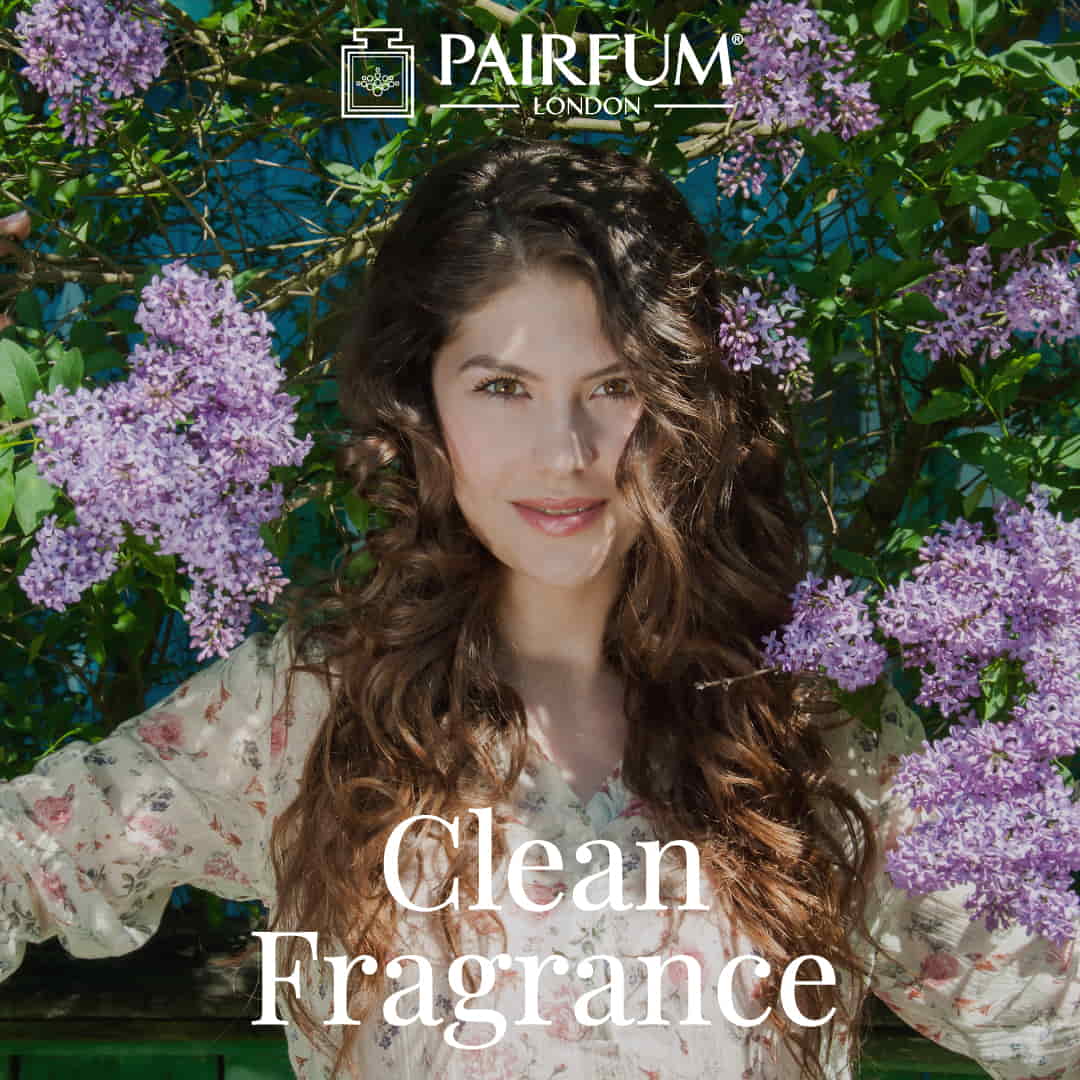
The book also discusses the use of perfume in different cultures. For example, in some cultures, perfume is used to mark special occasions, such as weddings or funerals. In other cultures, perfume is used as a way to show respect or deference.

The book “Verbundenheit” provides a fascinating look at the role of smell in our lives. It shows us how smell can be used to build connections, to mark special occasions, and to show respect. It is a well-written and informative read that will change the way you think about smell.

Eau De Parfum Person Reflection Cardamom Tonka White Oud Girls Connection

Sweat & Communication

We now look at Dr. Pause’s research on how humans can communicate social information through their sweat.

This research suggests that our sense of smell plays a more important role in our social interactions than we previously thought. It is possible that we are unconsciously picking up on the social information that is being communicated through sweat, and that this information is influencing our behavior.

The article also discusses the potential applications of this research. For example, it could be used to develop new methods for detecting stress or anxiety in people. It could also be used to develop new forms of communication that are based on smell.

Here are the insights from her research:

  • Humans can communicate social information through their sweat. This is because sweat contains a variety of chemicals that can be detected by our sense of smell. These chemicals can provide information about our emotional state, our health, and our reproductive status.
  • People who are feeling stressed or anxious produce different sweat chemicals than people who are feeling calm or relaxed. This means that we may be able to unconsciously pick up on the emotional state of others by smelling their sweat. This information could then influence our behavior, such as making us more likely to avoid or approach someone who is feeling stressed or anxious.
  • The research of Dr. Bettina Pause has shown that the brain regions that are responsible for processing social information are also involved in processing the chemical signals that are released through sweat. This suggests that our sense of smell plays a more important role in our social interactions than we previously thought.
  • The research on chemical communication through sweat is still in its early stages, but it has the potential to be used in a variety of ways. For example, it could be used to develop new methods for detecting stress or anxiety in people. It could also be used to develop new forms of communication that are based on smell.

Here are some additional thoughts about the implications of this research:

  • The research suggests that our sense of smell is more complex than we previously thought. It is not just a way for us to detect food or danger. It is also a way for us to communicate with each other on a subconscious level.
  • The research has implications for our understanding of social interaction. It suggests that we may be more influenced by the chemical signals that are released through sweat than we realize. This could help us to understand why we are sometimes drawn to certain people and repelled by others.
  • The research has implications for the development of new technologies. It could be used to develop new methods for detecting stress or anxiety in people. It could also be used to develop new forms of communication that are based on smell.

Opinion

In addition to the information that is summarized above, we would like to add a few of our own thought..

We think that the book is very timely, as we are living in a time when connection is more important than ever before. We are increasingly isolated from each other, both physically and digitally. This isolation can lead to loneliness, anxiety, and depression.

The book “Verbundenheit” provides a much-needed reminder of the importance of personal connections. It shows us how connection can benefit our health, our well-being, and our relationships. It also provides practical tips on how to build connections in our own lives.

We highly recommend this book to anyone who is interested in learning more about the importance of connection. It is a well-written and informative read that will change the way you think about connection.

Here are some additional thoughts about the sense of smell and connection:

  • Smell is a very personal sense. We all have our own unique sense of smell, and we are all attracted to different smells. This means that perfume can be a very effective way to connect with someone on a personal level.
  • Smell can also be a very powerful way to evoke memories. When we smell something, it can trigger memories that we have long forgotten. This can be a very powerful way to connect with someone on an emotional level.
  • Perfume can be used to create a certain atmosphere. For example, if you want to create a romantic atmosphere, you might choose a perfume that smells like flowers. If you want to create a relaxing atmosphere, you might choose a perfume that smells like wood.
Pairfum Eau De Parfum Person Reflection Bergamot Basil Patchouli Couple Bike Connection

The Aura Of Perfume

Reading Dr. Pause’s book and research re-confirms our belief that your perfume is part of your aura that you radiate.

In this context, your perfume is an essential part of how you to present and introduce yourself.

In this context, our Natural Niche Perfumes are a wonderful way presenting your unique persona when building new connections, regardless of whether this is at work, at sport or in your social circles. We only offer Eau de Parfum Intense, to ensure your fragrance lasts an entire day!

Conclusion

The book “Verbundenheit” and Dr. Pause’s research are a timely and important exploration of the importance of connection in our lives and the importance our sense of smell plays in this context.

The authors provide a wealth of information and insights, and they offer practical tips on how to build connection in our own lives.

If you are interested in learning more about the importance of connection, we highly recommend this book. It is a well-written and informative read that will change the way you think about connection.

We hope you enjoy reading about her thoughts and research, as much as we did.

In the meantime and when looking for a fragrance to connect, we highly recommend our Perfume Experience Box. Share the experience of sampling 12 x different Eau de Parfum and build a lasting connection with fragrance.

Perfume Experience Box Shared Connection Fragrance
Mens Grooming Evolution After Shave Cologne Perfume

The Evolution of Men’s Grooming: From After Shave to Serum

Introduction:

The world of men’s grooming has come a long way, evolving from simple routines of the past into a multi-faceted industry that encompasses everything from skincare and beard care to fragrances and spa treatments.

In this comprehensive article, we will delve into the fascinating journey of men’s grooming, exploring how the concept of self-care for men has evolved over time. From ancient shaving practices to the modern-day obsession with anti-aging serums, we’ll cover it all.

Mens Grooming History After Shave Cologne Perfume Eau de Parfum

The History Of Men’s Grooming

Men’s grooming has a long and storied history, dating back to ancient times. The first evidence of men using grooming products can be found in the tombs of ancient Egypt, where archaeologists have found razors, tweezers, and other grooming tools. The ancient Egyptians also used a variety of cosmetics, including kohl eyeliner, lip balm, and perfume.

In ancient Greece and Rome, men were also known for their grooming habits. They shaved their faces, trimmed their hair, and used perfumes and colognes. The Romans were particularly fond of bathing, and they had elaborate bathing rituals that involved using oils, soaps, and perfumes.

During the Middle Ages, men’s grooming habits became more conservative. This was due in part to the influence of the Catholic Church, which discouraged the use of cosmetics and perfumes. However, men still shaved their faces and trimmed their hair.

In the Renaissance, men’s grooming habits began to become more elaborate again. This was due in part to the influence of Italian fashion, which was known for its lavishness. Men began to use more cosmetics and perfumes, and they also began to wear elaborate hairstyles.

The 17th century was a time of great change in men’s fashion, and this was reflected in their grooming habits. Men began to shave their heads and wear wigs, and they also began to use more cosmetics.

The 18th century was a time of great refinement in men’s grooming habits. Men began to use more shaving creams and lotions, and they also began to use hair products to style their hair.

The 19th century saw a return to more conservative grooming habits. This was due in part to the Industrial Revolution, which led to a focus on practicality and efficiency. Men began to shave their faces more often, but they stopped using as many cosmetics and hair products.

The 20th century saw a renewed interest in men’s grooming. This was due in part to the rise of Hollywood, which popularized the clean-cut, well-groomed look. Men began to use more shaving products, hair products, and cosmetics.

The 21st century has seen a further evolution in men’s grooming habits. Men are now more open to using a wider range of grooming products, and they are also more interested in taking care of their skin and hair.

Mens Grooming Mature After Shave Cologne Eau De Parfum

The Birth Of Aftershave

One of the first grooming products developed specifically for men was aftershave.

Aftershave as we know it today originated in the late 18th century when French perfumer Jean-Marie Farina created Eau de Cologne, a fragrant concoction meant to soothe the skin after shaving.

This marked a significant turning point in men’s grooming, as it introduced the idea of using fragrances as part of a daily routine.

Even today, the term ‘Cologne’ is used in the USA instead of ‘After Shave’.

The Rise Of Barbershops

Throughout history, barbershops have been essential centers for men’s grooming.

Barbers not only provided haircuts and shaves but also served as social hubs where men could gather, share stories, and discuss the latest trends. Barbershops played a crucial role in shaping men’s grooming habits and preferences.

Mens Grooming Colour After Shave Cologne Perfume Barber Shop

Shaving Through The Ages

The evolution of shaving tools and techniques has been remarkable. In the 19th century, straight razors became popular, but they required a skilled hand to use safely.

The early 20th century saw the introduction of safety razors, making shaving more accessible to the masses. Eventually, disposable razors and electric shavers emerged, offering convenience and efficiency in the modern world.

The Emergence of Skincare

In the mid-20th century, the skincare industry started to take note of men’s grooming needs. Companies began to develop products tailored to men’s skin, recognizing that it differs from women’s in texture and oiliness. The introduction of cleansers, moisturizers, and sunscreens marked a significant shift in how men cared for their skin.

Mens Grooming Beard Care After Shave Cologne Eau De Parfum

Beard Revival And Beard Care

In recent years, facial hair has made a comeback in men’s grooming trends.

The beard has evolved from a symbol of ruggedness to a fashion statement. Alongside this trend, a range of beard care products has emerged, including beard oils and balms.

These products not only nourish the beard but also provide a pleasant scent, further emphasizing the role of fragrance in grooming.

Hair Care And Styling For Men

Hair care has always been a crucial aspect of men’s grooming.

Over time, hair tonics and styling products like pomade and hair gel have gained popularity. The desire for unique hairstyles and well-groomed hair has led to the development of an extensive range of hair products tailored to men’s needs.

Mens Grooming Hair Care After Shave Cologne Eau De Parfum

The Role of Masculine Fragrances

Fragrances have played a pivotal role in men’s grooming throughout history. It has evolved classic after shaves or colognes to modern eau de parfum intense for me, that leave a lasting impression.

Men today have an array of options to choose from, allowing them to express their individuality through fragrance. The male fragrance market is fast approaching the size of market of fragrances for women.

Unisex fragrances and male perfumes with noticeable female olfactive profiles, has been growing during the past 20 years.

Most recently it has been the rise of Niche Perfume for Men that has caught the attention in the male fragrance market, with Pairfum London a strong example.

Eau De Parfum Person Reflection Grapefruit Pepper Black Cedar Man Jacket Men's Grooming

The Science of Skincare

In recent years, skincare science has made significant advancements, leading to the creation of specialized products for various skin concerns. Anti-aging eye care products and night serums have become staples in many men’s grooming routines.

These products target fine lines, dark circles, and other signs of aging, helping men maintain youthful-looking skin.

Mens Grooming Hammam After Shave Cologne Perfume Turkish Bath

The Spa Experience

Spa treatments and grooming have become intertwined, offering men a luxurious and rejuvenating experience.

Spas now offer a wide range of services tailored to men’s needs, from facials and massages to specialized treatments like hot towel shaves. The spa experience has evolved from a rare indulgence to a regular self-care practice for many men.

Male Bathing Traditions

Bathing rituals have a rich history in various cultures.

In Arabic countries, for example, the hammam or Turkish bath, a communal steam bath, has been a part of the culture for centuries.

These rituals not only cleanse the body but also promote relaxation and well-being, emphasizing the holistic nature of grooming. They are a key element of male socialising.

Modern Shower & Bathing Routines

In today’s fast-paced world, the daily shower has become a cornerstone of men’s grooming routines. Men have access to a wide range of shower gels, body washes, and bath products that cater to different skin types and preferences. The shower has evolved from a mere hygiene practice to a sensory experience.

Mens Grooming Barber Shop After Shave Cologne Perfume

The Future Of Male Grooming

As you have seen above, modern men have a large wide range of grooming products & experiences to choose from. They can find:

  • shaving creams, lotions, and aftershaves;
  • hair products for styling, coloring, and treating;
  • skin care products for cleansing, moisturizing, and protecting; and
  • cosmetics for enhancing their appearance.

Men are also more interested in taking care of their skin and hair than ever before. They are more likely to use sunscreen, moisturizers, and anti-aging products. They are also more likely to get regular haircuts and shaves.

The evolution of men’s grooming is a reflection of the changing times. As men have become more image-conscious, they have also become more interested in taking care of their appearance. This trend is likely to continue in the future, as men continue to look for ways to look their best.

Here are some of the most important trends in men’s grooming:

  • The rise of the beard: The beard has made a major comeback in recent years, and it is now one of the most popular grooming trends for men. There are many different ways to style a beard, and men can choose the look that best suits them.
  • Skinification of Hair Care: men’s hair & beard care products, will see a rise of products that offer benefits similar to skin care products.
  • Barber Shop Evolution: barber shops have already evolved dramatically and further changes to turn the visit to the barber into an Experience can be expected. The women’s in-Salon Experience will serve both as an inspiration, as well as a model.
  • Niche Perfume – Natural & Intense: it can be expected that Male Niche Fragrances will go natural and intense.
  • The popularity of natural grooming products: Men are increasingly looking for natural grooming products that are free of chemicals and artificial ingredients. This trend is being driven by a growing awareness of the importance of personal care products.
  • The focus on self-care: Men are now more likely to take care of their skin and hair than ever before. This is due in part to the increasing availability of grooming products and services, as well as the growing awareness of the importance of self-care.
  • Sophisticated Skin Care & Cosmetics: men’s products will offer the same the same level of sophistication, as can already be found in women’s products. However, these products will take into account the specific requirements of men’s skin.
  • The personalization of grooming: Men are now more likely to personalize their grooming routine to meet their individual needs. This means that they are more likely to use a variety of products and services to achieve the look they want.
  • The growth of the grooming industry for men of color: The grooming industry for men of color is growing rapidly. This is due in part to the increasing diversity of the population and the growing awareness of the need for products and services that are specifically designed for men of color.
  • The rise of the male grooming subscription box: Men’s grooming subscription boxes are becoming increasingly popular. These boxes deliver a curated selection of grooming products to men’s homes on a regular basis. This is a convenient way for men to try new products and keep their grooming routine up-to-date.
  • The increasing popularity of men’s grooming services: Men’s grooming services are becoming increasingly popular. These services offer men a variety of grooming options, such as haircuts, shaves, and facials. This is a convenient way for men to get the grooming they need without having to do it themselves.
  • The rise of technology: this can currently be seen in female skin care and is also likely to have a major impact on the future of men’s grooming. For example, there are now apps that can help men to choose the right grooming products and services. There are also devices that can be used to shave, style hair and treat skin conditions.
Men's Grooming Face Mask After Shave Cologne Perfume Future Trends

Conclusion: Mens’s Grooming

The evolution of men’s grooming has been a journey from simplicity to sophistication. From ancient shaving practices to the modern-day emergence of anti-aging serums, men have embraced self-care in various forms.

The grooming industry continues to innovate, offering men a wide array of products and services to help them look and feel their best. As we look to the future, it’s clear that men’s grooming will continue to evolve, adapting to the changing needs and preferences of the modern man.

Whether it’s through fragrance or cologne, skincare, beard care, or spa experiences, grooming is no longer just a routine; it’s a reflection of personal style and well-being for men.

Eau De Parfum Person Reflection Spiced Rum Lime Guaic Wood Man Walk 1 1